

What OEM car parts are and how they differ
When you need a replacement, the label on a part can tell you something about how it was made and sold, but it does not answer every fitment question. OEM car parts Australia shoppers encounter genuine, OEM, and aftermarket descriptions, sometimes used loosely. Knowing what those terms mean gives you a clearer starting point. The best choice depends on your vehicle, repair, budget, and how confidently the part can be matched.
OEM, genuine, and aftermarket parts explained
OEM stands for original equipment manufacturer: a company that makes parts supplied for a vehicle maker’s production or service network. “Genuine” usually refers to a part sold under the vehicle maker’s branding, while aftermarket parts are made for replacement use outside that branded supply. Labels and usage can vary between sellers, so check the listing and packaging rather than assuming the terms are interchangeable.
A simple comparison can help, as long as you treat these descriptions as a guide rather than a guarantee of fit or quality.
| Description | What it generally indicates | What to confirm |
|---|---|---|
| Genuine | Sold under the vehicle maker’s branding | Packaging, part number, and vehicle compatibility |
| OEM | Made by an original equipment manufacturer | Whether it is the same specification as the required part |
| Aftermarket | Made for replacement use by another supplier | Fitment details, included components, and warranty |
| Used | Previously fitted to a vehicle | Condition, testing, and return terms |
The label alone is not enough to establish that a part suits your car. Ask for the identifying number and written fitment confirmation when the listing leaves room for doubt.
How automakers and parts manufacturers work together
Vehicle makers may source components from manufacturers that also produce parts for service and replacement channels. That relationship can help explain why a component is described as OEM, but it does not automatically confirm that every version fits every model year or trim. Part numbers and vehicle build details remain the practical checks to make before ordering.
When OEM parts may be the right choice
OEM or genuine parts may suit you when matching the original specification is a priority, particularly for components where dimensions, connectors, or calibration matter. You may also prefer them when you want a clearly traceable part number or a specific brand-backed warranty. Compare alternatives on the same details, rather than assuming that one label settles the decision.
How to identify the correct part for your vehicle
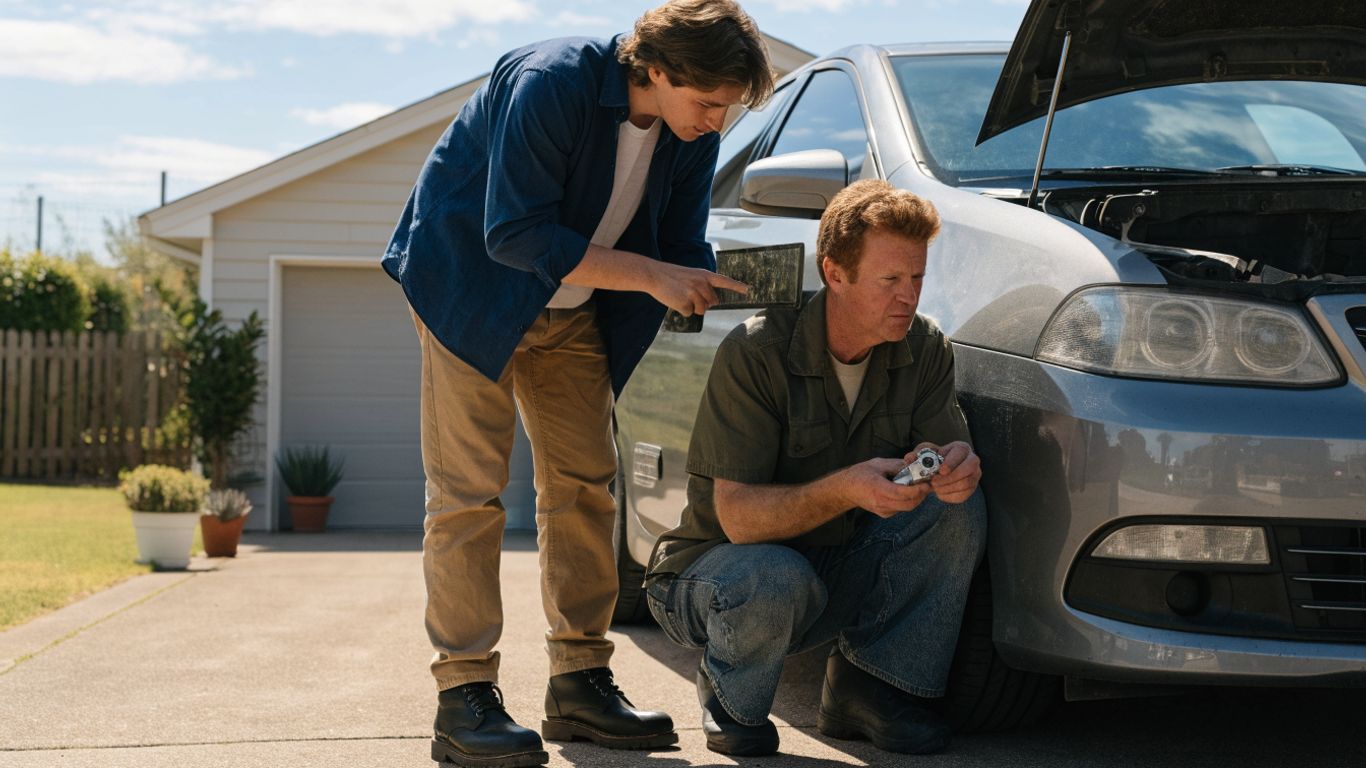
A correct fit starts with the vehicle, not a photo of the part. Similar models can use different components depending on production date, trim, engine, and drivetrain. Gather the vehicle details before searching, and keep them handy when speaking with a seller. That small bit of preparation can prevent a costly mismatch.
Find your VIN, model year, and build details
Your vehicle identification number (VIN) is a useful reference when asking a seller to check fitment. Also note the model year, build date if available, trim, engine, and drivetrain; the registration year alone may not identify the exact specification. You can usually find the VIN on vehicle documents and in locations such as the dashboard or door frame, but verify it against your records.
Check the part number and superseded numbers
If you can safely access the old part, look for its part number and record it exactly, including letters and suffixes. A manufacturer may replace an older number with a newer one, so ask whether the number has been superseded and whether the replacement is confirmed for your vehicle. Do not assume that a similar-looking number is equivalent.
Confirm fitment for trims, engines, and drivetrains
A part listing that names your model may still cover only certain versions of it. When checking fitment, share the information below together so a seller can verify the relevant specification rather than making a broad model-level guess:
- VIN and model year
- Build date and trim level
- Engine and drivetrain
- Existing part number, if available
With those details, you can ask a seller to confirm compatibility in writing. If any information is missing, say so; a careful check is better than treating an uncertain match as confirmed.
Why visual similarity is not enough
Two parts can look nearly identical while differing in mounting points, connectors, dimensions, or included hardware. Images are useful for spotting obvious differences, but they rarely show every measurement or specification needed to establish fit. For additional context when researching a repair, you can consult installation guides, then confirm the exact part with a seller before purchasing.
Where to buy OEM car parts in Australia
Your options include vehicle-brand specialists, dealerships, and parts retailers that serve a broader range of makes. Availability, advice, delivery coverage, and return conditions can matter as much as the listed price. If you are sourcing a Kia component, a specialist can be a useful place to ask model-specific questions. Wherever you shop, start with the part number and your vehicle details.
Compare dealerships and specialist parts retailers
A dealership may be able to check a part against your vehicle details, while a specialist retailer may offer a different mix of genuine, used, and aftermarket options. Compare what each seller can actually supply, how they verify fitment, and what happens if the part is not right. For Kia engines, motors, transmissions, gearboxes, and body parts, Just Kias lists these categories and freight coverage across Australia.
Check whether an online seller ships to your location
Before paying, check whether delivery is available to your postcode and whether the seller ships to residential addresses, workshops, or collection depots. Large or heavy parts can have different freight arrangements from small components, and remote locations may affect timing or cost. Confirm the delivery estimate for your address rather than relying on a general Australia-wide claim.
Ask about sourcing discontinued or hard-to-find parts
A part not shown online may still be available through a supplier’s sourcing process, or there may be a suitable alternative. Give the seller the VIN, part number, and a clear description of the component. Ask whether the item is new, used, or aftermarket, and request confirmation of its condition and fitment before you commit.
Confirm the seller’s returns and fitment support
A return policy can make a difference if the part is incorrect, damaged, or no longer needed. Check the deadline, condition requirements, exclusions, and whether return freight or restocking fees apply. For details on terms, warranty, returns, and support, review Just Kias policies alongside any seller’s current conditions before ordering.
How to verify a part and seller before buying
A good listing should give you enough information to assess what is being sold and who is responsible for the transaction. Look for identifiers, condition details, clear contact options, and policies you can read before checkout. If an answer is vague, ask a direct follow-up question and keep the response. A few minutes of checking can spare you a difficult return later.
Look for clear manufacturer and packaging details
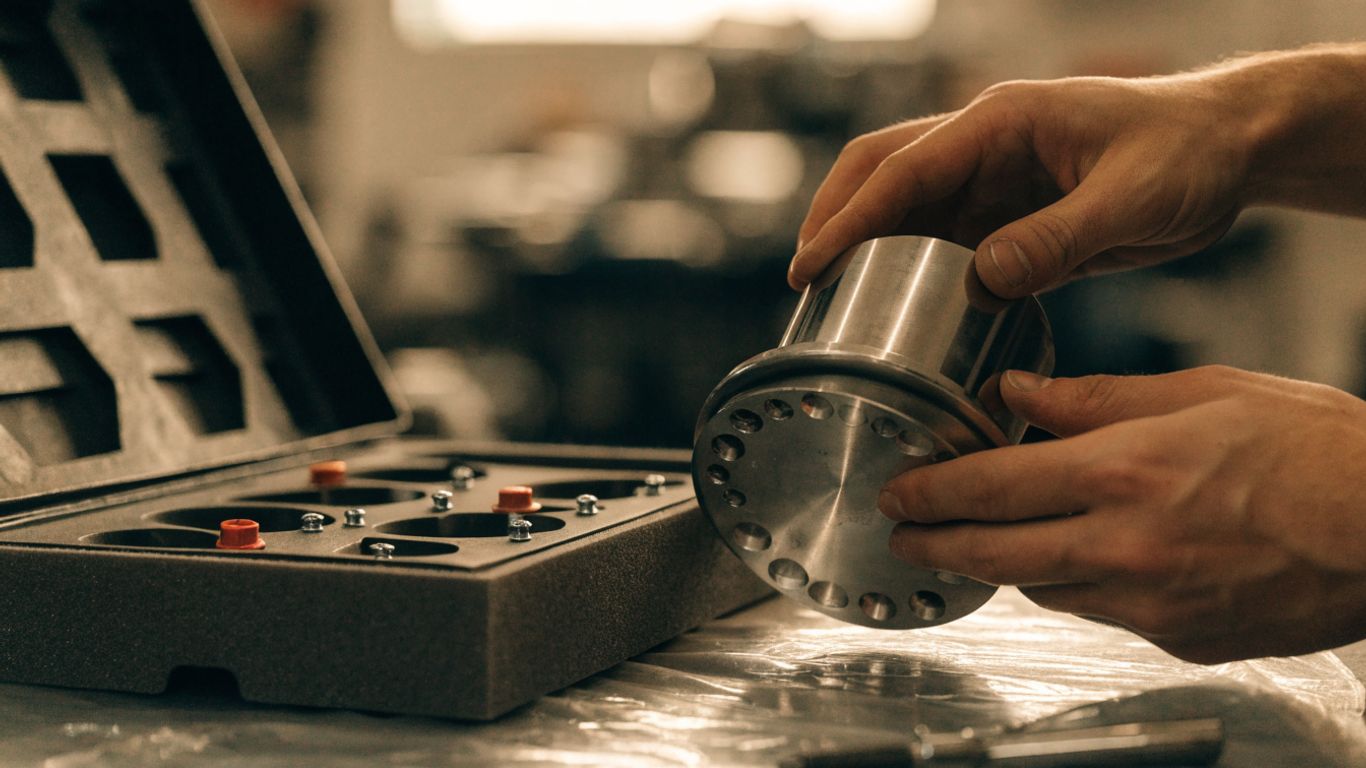
Check whether the seller identifies the manufacturer, part number, condition, and packaging. If the listing says genuine or OEM, ask what supports that description and whether the item is new or used. Photographs of the actual part and its label can help, especially when the item is not supplied in standard packaging.
Request written confirmation of vehicle compatibility
Provide the VIN and other build details, then ask the seller to confirm that the specific part number fits your vehicle. Written confirmation gives you a record of what was checked and which component was discussed. For Kia parts advice, Just Kias provides phone support and live call booking; you can share your vehicle and part details when asking for guidance.
Check seller contact information and business policies
Before ordering, make sure you can identify how to contact the seller and where to find the relevant policies. Read the terms for payment, delivery, warranty, and returns, and save a copy or screenshot of the listing. If you cannot tell who handles a fitment query or return, pause until you have a clear answer.
Watch for unclear listings and unusually low prices
A low price can have a reasonable explanation, such as a used part, incomplete hardware, or a different condition grade. It can also signal that essential information is missing. Compare the listing with the exact part number, ask what is included, and avoid relying on a photo or headline that does not identify the item precisely.
How to compare prices and total costs
The listed price is only one part of the decision. Freight, handling, taxes, warranty terms, availability, and included hardware can change the final cost or the amount of work needed to complete a repair. Compare like with like before deciding. If one quote is much lower, find out exactly what differs.
Compare the same part number across sellers
Start with the same manufacturer and part number wherever possible. If a seller offers a superseded number or an alternative type of part, ask them to explain the difference before comparing prices. A used component and a new genuine component are not directly equivalent just because both are described as fitting the same vehicle.
Factor in shipping, taxes, and handling charges
Ask for the delivered price to your postcode, including any handling charges that apply. A low item price can be offset by freight, particularly for bulky or heavy components. Compare the full payable amount and the stated delivery estimate, not just the number shown beside the product.
Weigh price against availability and warranty coverage
An available part may help you get a repair moving sooner, while a less expensive item may involve a longer wait or narrower warranty terms. Check whether the warranty covers the part itself and what conditions apply, including installation or return requirements. Choose based on the total cost and your needs, not a price difference in isolation.
Check whether the part includes required hardware
Some parts are supplied on their own, while others may include clips, seals, fasteners, or related components. Confirm what is in the box and whether you will need to buy anything else to complete the repair. That check gives you a more realistic estimate of the job’s cost and avoids a second order for small but necessary items.
What to check before and after placing an order
Once you have identified a likely match, take a moment to confirm the order details. Make sure the listing, part number, price, delivery address, and agreed fitment all line up. Keep the seller’s replies and policy information with your order record. Then inspect the part before installation, while you still have time to raise a problem.
Confirm delivery estimates and tracking options
Check the expected dispatch and arrival windows, and ask whether tracking will be provided. Confirm that the delivery address is suitable for the size of the part and that someone can receive it if required. If timing matters to a repair, get the estimate for your location in writing rather than treating it as guaranteed.
Review warranty, return, and restocking terms
Read the current terms before checkout, paying attention to the return window, eligibility, restocking charges, and who pays return freight. Check whether installation or handling affects eligibility and how a warranty claim must be made. Save the terms that apply to your order so you can refer to them later.
Inspect the part before installation
When the order arrives, compare the part number and physical details with what you ordered. Check for visible damage, missing pieces, and differences in connectors or mounting points before fitting it. If something does not match, take photos and contact the seller promptly; installing a questionable part may complicate a return or warranty discussion.
Keep receipts and fitment records for future reference
Save your invoice, delivery information, part number, and written compatibility confirmation together. Note the vehicle details used for the fitment check and the date of the repair. Those records make future parts searches easier and help you explain the history of the component if you need support.
Conclusion
Finding OEM car parts in Australia is less about choosing a label and more about confirming the exact part, vehicle fitment, seller terms, and total delivered cost. Gather your VIN and build details, compare the same part number where possible, and ask for written confirmation when anything is uncertain. A careful check before ordering can make the repair process much more straightforward.
Frequently Asked Questions
Are OEM and genuine car parts the same?
The terms can be used differently by sellers. Genuine usually refers to a part sold under a vehicle maker’s branding, while OEM describes an original equipment manufacturer. Check the specific part number, source, and packaging rather than relying on the label alone.
Can I find the right part using my registration number?
A registration number may help a seller begin a search, but it may not identify every build detail needed for precise fitment. Share your VIN, model year, trim, engine, and drivetrain where possible, then ask the seller to confirm the part.
Where can I find my car’s VIN?
You can often find the VIN on vehicle documents and on a plate or label in locations such as the dashboard or door frame. Check your vehicle handbook or ask a service professional if you are unsure which number is the VIN.
Does a part that looks the same necessarily fit?
No. Similar-looking parts can differ in measurements, connectors, mounting points, or specifications. Use the part number and vehicle build details to verify fitment, and request confirmation from the seller before ordering.
What should I do if a part number has been superseded?
Ask the seller or manufacturer to confirm whether the newer number replaces the original for your exact vehicle. Keep a record of the old and new numbers and get fitment confirmation before placing the order.
Should I compare used and new parts by price alone?
No. Compare condition, included components, warranty, return terms, and delivery cost as well as the price. A used part may suit a particular repair, but the listing should clearly explain its condition and what is included.
What should I check when a part arrives?
Before installation, compare its number and physical details with the order, and inspect it for damage or missing pieces. Photograph any concern and contact the seller promptly, keeping your invoice and fitment records available.


