Key Takeaways
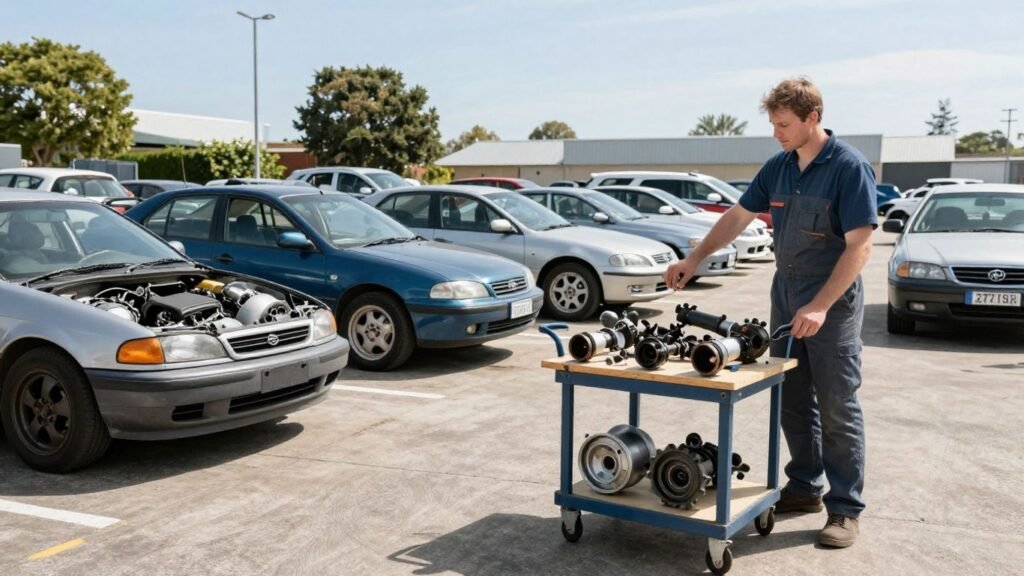
Finding secondary components can offer significant advantages for maintaining vehicle performance while managing repair costs. This article highlights the best practices for sourcing reliable items in Hobart.
- Recycling auto parts provides a measurable environmental benefit by reducing raw material consumption.
- Customers often see significant cost savings compared to purchasing brand-new dealership components.
- Supporting local wrecking businesses helps maintain the internal automotive economy within Tasmania.
- Salvaged components are frequently available for immediate collection, bypassing standard manufacturer wait times.
- Detailed inspections and proper compatibility checks are essential to ensure long-term functionality.
Understanding the benefits of using local wrecker services
Transitioning to salvaged parts is a practical strategy for many Kia owners looking to maintain their vehicles on a reasonable budget. It draws on the existing supply of decommissioned vehicles to provide high-quality items at lower price points. By engaging with local facilities, drivers gain access to a reliable ecosystem that extends the service life of aging car fleets.
Environmental impact of recycling auto parts
Reusing metal and plastic components significantly reduces the energy required to manufacture new replacements from scratch. By diverting usable steel, aluminum, and even functional plastics from the landfill, the automotive industry lessens its collective footprint. This circular approach helps preserve natural resources in the Tasmanian environment.
Significant cost savings compared to dealership prices
Secondary components are inherently less expensive than factory-sealed originals provided by dealerships. Most buyers find that functional mechanical parts sell for a mere fraction of the brand-new suggested retail price. These savings allow owners to allocate more of their fixed maintenance budget elsewhere.
Supporting the local Hobart automotive economy
Buying from Hobart establishments flows money back into the regional market rather than to massive global conglomerates. These businesses sustain local employment and provide expert services that help the city run smoothly. Small workshops and individual drivers alike rely on the specialized knowledge provided by these community-focused suppliers.
Instant availability of components compared to ordering new
Ordering specialized components across the channel can often lead to weeks of downtime for a daily driver. Conversely, checking locally means a part is often ready for immediate transport or installation. Avoiding shipping delays keeps transportation reliable and minimizes the need for alternative rental vehicles.
Identifying authentic Kia parts from scrap inventories
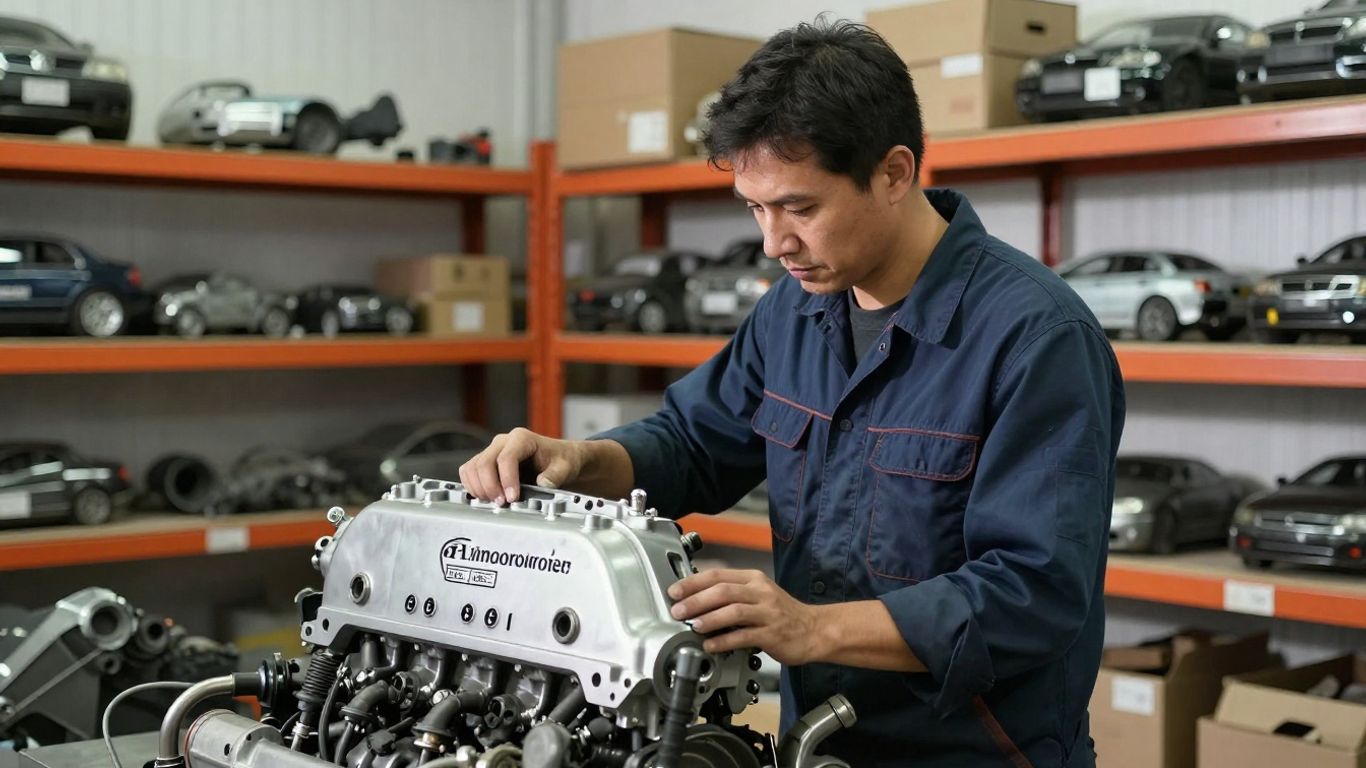
Navigating through rows of salvaged stock requires a methodical approach to confirm that the items you select will function reliably within your own vehicle. Identifying markers are often present if you know where to look. Careful assessment of labels and physical build quality acts as a safeguard against improper fitment.
Checking for genuine Kia OEM stamps and serial numbers
Authentic parts usually feature embossed manufacturer stamps or etched serial numbers identifying them as factory-approved units. Comparing these codes against your current part ensures an exact match. These identifiers provide assurance that the engineering specifications meet the intended vehicular performance standards.
Assessing the condition of electrical and engine components
Engine parts should show minimal signs of excessive wear or oxidation. When looking at electrical connectors, check for clean pins and intact housing sealants. These components are notoriously sensitive, so a physical assessment is the first hurdle in confirming their operational integrity.
Verifying vehicle compatibility using the VIN
Every vehicle carries a unique identification number that acts as your clearest roadmap for parts matching. By sharing this number with the desk staff, you ensure the parts you pull correspond to the specific build phase of your car. This process remains the most accurate way to verify vehicle compatibility using the VIN.
Distinguishing between aftermarket replicas and genuine factory parts
Aftermarket versions might look identical but often lack the precise tolerance requirements of the original Kia factory components. Original units generally display more consistent material quality when examined under direct light. Noticing the nuance between these two ensures you are not paying premium prices for generic replicas.
Navigating inventory at Hobart Kia wreckers
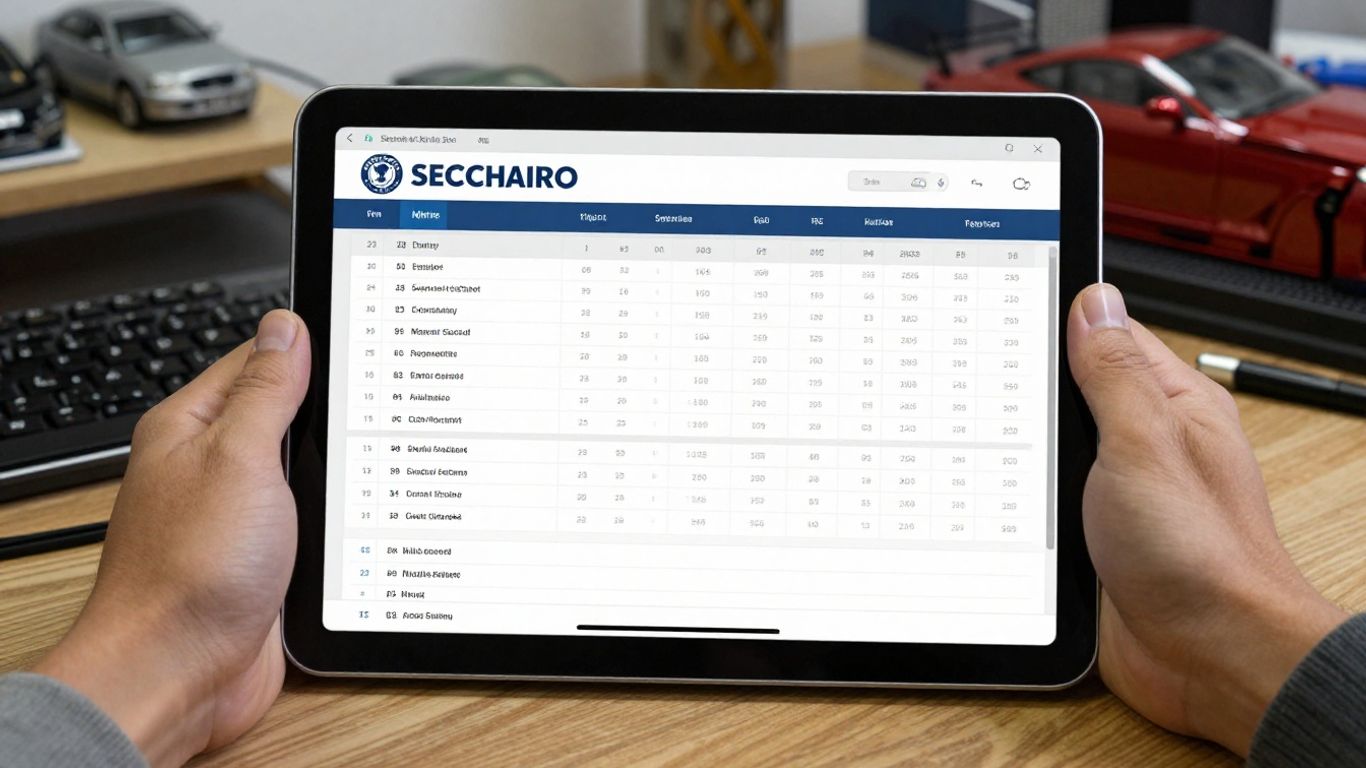
Finding the right item amidst hundreds of potential vehicles requires a clear system for tracking stock by year and model line. Modern wreckers often maintain updated lists that simplify the hunt. By narrowing the scope through digital or in-person queries, you can save significant time during your visit.
Efficient search techniques for online database tools
Many suppliers now provide web-based inventory lists searchable by year or part category to help customers pre-qualify their visits. You should search specifically for the model line and build dates that match your current registration. This digital preparation significantly reduces time spent walking through the yard aisles.
Calling ahead to confirm specific model year availability
Prior to making the trip, a quick phone call usually answers whether the specific wrecked model is currently dismantled or even in the queue. Staff can often clarify if the desired components have already been harvested by other buyers. This simple verification prevents unnecessary travel time.
Understanding how wreckers organize stock by Kia model lines
Most facilities categorize their inventory by the specific production generation to make part cross-referencing easier for the staff and the customers. Having a grasp of the following structure makes your search drastically more efficient:
| Classification | Typical Parts Stored | Database Search Tag |
|---|---|---|
| Sedan/Hatch Gen 1 | Exterior light assemblies | KIA-GEN1-S |
| SUV/Crossover Gen 2 | Suspension struts and arms | KIA-GEN2-SUV |
| Modern Compact | Electronic control modules | KIA-MOD-C |
Organizing items this way allows the yard to keep a high-turnover of relevant spare units grouped by compatibility. It highlights how professional wreckers prioritize organization for rapid retrieval.
Requesting digital photos of specific salvaged items
Modern technology allows remote buyers to request snapshots of a specific item before committing to an in-person viewing. These images clarify the condition of items that are stored in difficult-to-reach areas of the warehouse. A clear picture provides peace of mind that the part is complete before you start the drive.
Essential inspections before finalizing your purchase
Once an item is retrieved, the responsibility shifts to the buyer to confirm its viability before money changes hands. Careful inspection of the physical components avoids potential headaches later. This process ensures the part is truly ready for immediate installation.
Evaluating the physical condition of mechanical components
Look for signs of irregular surface degradation or stress fractures, particularly on metal housings and joints. Any structural weirdness might suggest the part was involved in a collision that impaired its integrity. A steady hand and a bright light are your best tools here.
Testing electronic modules for basic functionality
Electronic parts should be inspected for damaged pins or corrosion, which is a major red flag for any module sensitive to electrical signals. While you cannot usually power these modules on-site, a clean inspection confirms the board itself has not been exposed to environmental moisture.
Inspecting body panels and bumpers for hidden structural damage
Surface-level checks often miss internal cracks along mounting points or bracket reinforcements. Always verify that the material is not brittle and that the mounting tabs are fully intact. This ensures that the panels line up precisely with your vehicle’s frame.
Reviewing warranty agreements on used mechanical parts
Before you pay, check the facility terms to understand what coverage exists if the part proves to be faulty shortly after installation. It is a good practice to prioritize:
A written guarantee provided by the supplier that explicitly covers the necessary functional components for a standard period of 30 to 90 days after the purchase date.
Understanding these terms confirms the vehicle’s VIN serves as a critical identifier for part matching, ensuring the purchased component fits your specific build year. Always keep the receipt as it serves as the formal record for the warranty coverage period.
Tips for shipping and pick-up logistics in Tasmania
Transporting heavy or delicate components requires planning to avoid further damage during the trip from the yard to your workshop. Recognizing the logistical constraints of the region ensures your items arrive in the best possible shape. Local knowledge of the Hobart area helps in coordinating these logistics effectively.
Advantages of in-person inspection and collection in Hobart
Visiting the site personally allows you to verify the part’s condition alongside the staff while benefiting from real-time communication. You can also handle the item to check its weight and general state, which minimizes errors. Plus, you save on freight costs by loading items into your own vehicle directly.
Negotiating delivery options for heavy engine or transmission parts
Heavy mechanical parts like transmissions or engine blocks often require special lifting equipment or specific palletizing. Negotiating these logistics with the wrecker beforehand is vital to keep the price fair and the process safe. Always ask about the delivery timeline to ensure it meshes with your repair schedule.
Packaging requirements for delicate salvaged materials
Electronic modules and trim pieces demand protective buffers to ensure they survive the journey across Tasmania. Using boxes, foam padding, or heavy-duty bubble wrap is a smart insurance policy against accidental breakage during loading or transit. Proper padding also keeps smaller hardware secure.
Coordinating with local freight providers for Hobart-wide transit
If you lack the appropriate vehicle for heavy transport, local freight services are quite common in the Hobart metropolitan area. Coordinating with a provider who has experience handling automotive components ensures that the parts are treated with care during transit. Reliable transport partners keep the entire repair process moving according to your plan.
Conclusion
Successfully sourcing parts from local wreckers is a rewarding way to maintain your vehicle while supporting the Tasmanian community and reducing waste. By following consistent inspection routines and maintaining clear communication with salvage professionals, you can confidently secure high-quality components that keep your car running reliably for years to come.