Key Takeaways
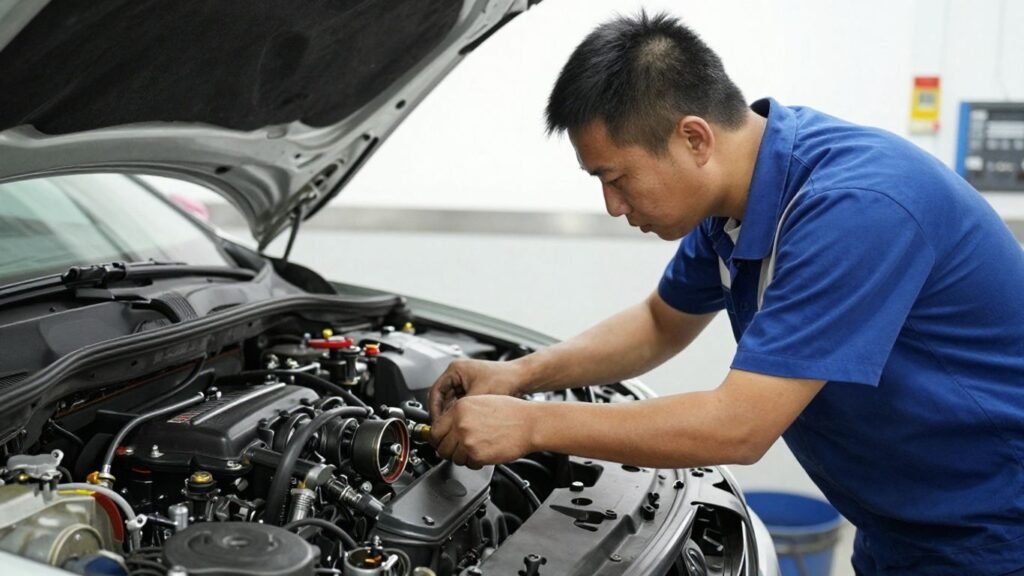
Finding quality replacement parts through local automotive salvage yards can significantly reduce repair costs for your vehicle. Understanding the condition and history of these parts is essential for a reliable long-term fix.
- Sourcing parts locally supports the regional Tasmanian economy and reduces automotive waste.
- Always verify the mileage and service history of donor engines to ensure longevity.
- Inspect transmission fluid carefully to identify potential internal wear and tear.
- Prepare necessary documentation like VIN numbers before visiting any salvage location.
- Perform routine maintenance on used parts, such as changing seals and gaskets, before installation.
Understanding the benefits of using wreckers in Launceston
When your vehicle requires major repairs, navigating the search for reliable components can feel overwhelming. Opting to source parts from wreckers in Launceston offers a practical pathway to get your car back on the road without the high cost of brand-new manufacturing parts. This process involves careful research, but the long-term rewards in terms of both financial efficiency and mechanical reliability are substantial.
Cost-effectiveness compared to brand-new components
Choosing recycled mechanical components can save owners a significant percentage of the retail price of new parts. While brand-new factory items come with premium costs, salvaged assemblies often provide identical functionality at a fraction of the expense. Many owners find that these savings allow for higher quality replacements that would otherwise sit outside their maintenance budget.
Immediate availability for urgent repairs
When a transmission fails or an engine block sustains damage, waiting for international shipping of new components can sideline your vehicle for weeks. Local salvage yards keep stocks of engines and gearboxes on hand, meaning you can often secure the essential replacement parts today without the long lead times associated with new inventory orders. This direct access serves as a vital bridge during unexpected mechanical breakdowns.
Supporting the local Tasmanian automotive industry
Utilizing local salvage channels helps maintain a healthy ecosystem for trade and repair within the state. By engaging with these businesses, you are keeping demand for automotive services local, which supports jobs and skills development in the area. This circular economy model ensures that technical knowledge remains within the community, benefiting both sellers and buyers over time.
Environmental advantages of recycling vehicle parts
Salvaging engines, transmissions, and smaller hardware drastically reduces the environmental burden caused by industrial manufacturing and shipping. Reusing high-grade metals and complex assemblies prevents functional machinery from reaching landfills prematurely. This form of responsible maintenance extends the life cycle of every automobile and significantly minimizes the carbon footprint of your repair work.
Assessing the condition of second-hand Kia Rio engines
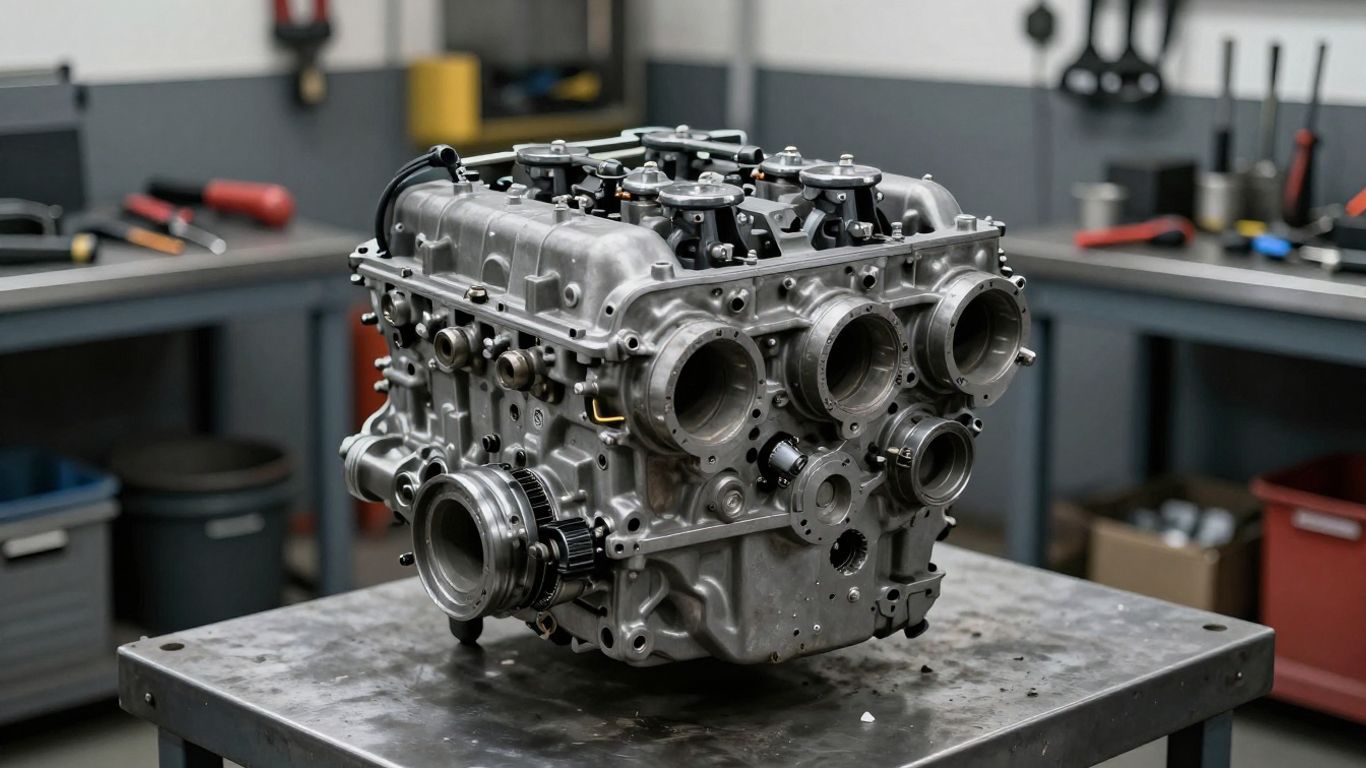
Evaluating the state of a used engine requires a systematic approach to uncover potential issues before installation begins. You must consider the history of the donor vehicle and the physical condition of the block to ensure it is worth the effort and expense of the swap. A cautious evaluation saves time and improves outcomes for long-term vehicle operation.
Evaluating mileage and service record documentation
High-mileage engines can function perfectly, but only if they have been maintained with strict attention to oil changes and filter replacements. Always inspect the service records if available and look for evidence of consistent care throughout the donor unit’s life. Low-mileage units are desirable, yet a well-maintained higher-mileage engine often outperforms a neglected low-mileage block.
Identifying external signs of oil leaks and wear
Visual inspection of the exterior can reveal much about internal health. Scan the valve covers, oil pan gasket, and rear main seal for buildup or fresh residue, as these are common points where wear becomes apparent. A engine covered in thick grease may be hiding deeper issues that are not immediately obvious during a casual look.
The importance of compression and leak-down testing
Compression testing provides a concrete snapshot of cylinder health by measuring the pressure generated within each combustion chamber. These tests are vital for confirming that valves and piston rings are sealing properly under load. You can review the comparative data for each cylinder to identify potential risks before completing the purchase.
| Cylinder | Expected PSI | Resultant PSI | Status |
|---|---|---|---|
| 1 | 160 | 158 | Good |
| 2 | 160 | 155 | Good |
| 3 | 160 | 148 | Caution |
| 4 | 160 | 159 | Good |
Using specialized equipment like those recommended by AutoCheck Services ensures that you have accurate benchmarks for comparison. Always verify that the tested values align with the manufacturer’s suggested range, as deviations often point toward worn rings or carbon buildup.
Verifying compatibility with your specific model production year
Changes in electronics, sensors, and mounting points often occur during model mid-cycle refreshes. Always cross-reference the donor vehicle’s build date with your own to avoid mismatches that cause check engine lights. Ensuring that the block casting and accessory drive layout are identical prevents costly complications during the final bolt-on phase.
Evaluating Kia Rio transmissions for quality assurance
Transmission health is just as critical as engine performance, especially when dealing with the complex internal gear sets found in modern compact cars. A faulty gearbox can lead to shifting delays, loss of power, or catastrophic mechanical failure under normal driving conditions. Assessing these units requires careful observation of fluid color, scent, and general physical condition.
Differentiating between manual gearboxes and automatic units
Manual gearboxes and automatic transmissions feature different failure modes that require distinct diagnostic checks. While manual units are often judged by bearing noise and synchro feel, automatic gearboxes depend heavily on the integrity of internal solenoids and clutches. Understanding the specific design of your transmission helps you identify the correct donor unit for your specific driving setup.
Inspecting transmission fluid for metal shavings and discoloration
Fluid acts as both a lubricant and a diagnostic tool for the internal health of a transmission. Bright, clear red fluid is the standard you hope to see, while dark, burnt-smelling oil often indicates significant internal overheating or clutch degradation. Even traces of metallic grit in the fluid indicate that components have already begun to break down.
Testing shift engagement and linkage responsiveness
Physical testing involves verifying that gear shifts occur without hesitation or grinding noises. On manual models, the clutch engagement point should feel consistent and firm, while automatic models should transition through gears without harsh slamming or long pauses. Proper operation of these linkages ensures the vehicle remains predictable and safe in traffic.
Understanding the status of the torque converter
The torque converter acts as the fluid coupling device between the engine and the automatic transmission, and its failure can lead to severe performance loss. If the converter exhibits internal shudders or fails to lock up correctly, it may introduce contaminants into the rest of the transmission cooling system.
Evaluating the converter requires checking for any abnormal vibration during acceleration. If the converter is damaged, it often results in erratic engine rpm at cruising speeds or overheating issues that are difficult to diagnose once the unit is fully installed.
Navigating the procurement process at local wrecking yards
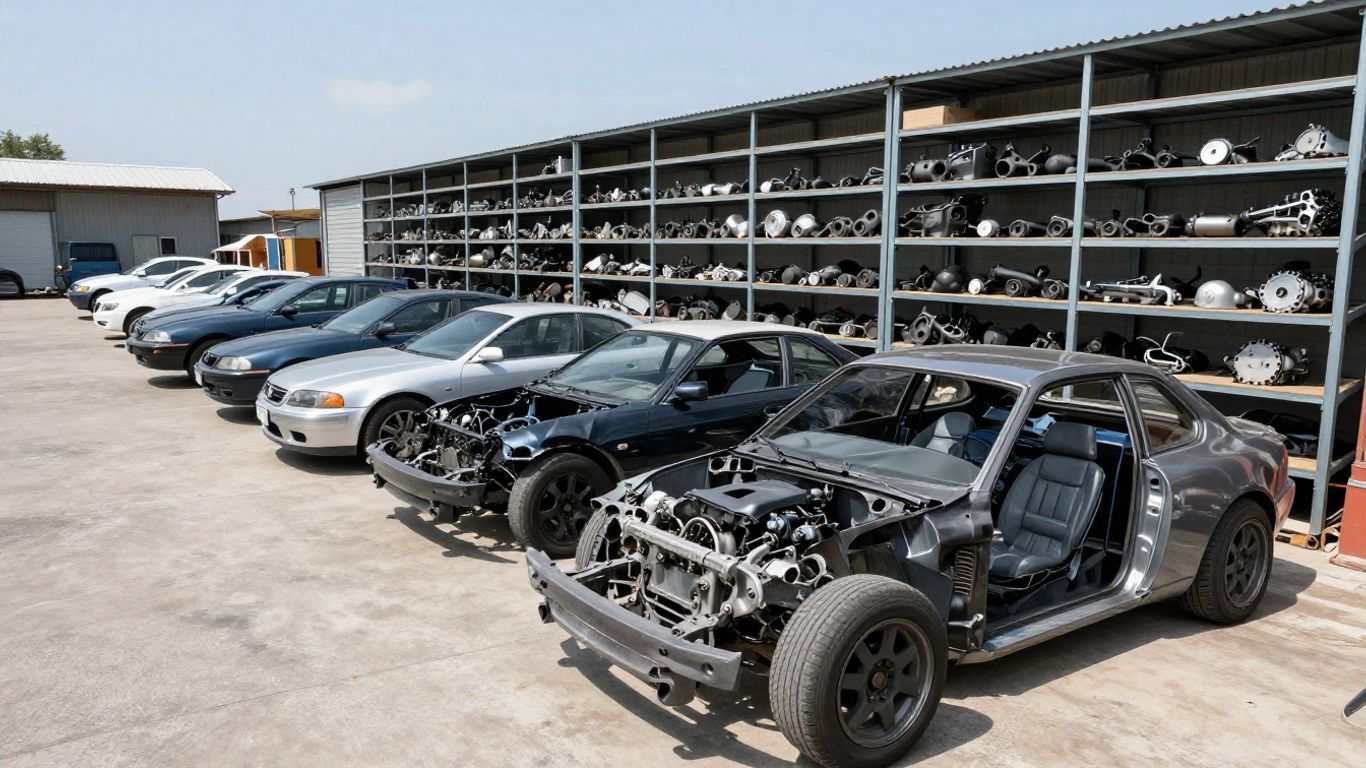
Finding the right parts effectively involves establishing a clear line of communication with the yard staff. Taking the time to prepare your requirements before arriving helps inventory managers quickly identify compatible matches for your specific repair needs. This organized approach streamlines the entire procurement phase and builds a professional rapport with staff.
Preparing VIN details and specific part identification numbers
Your VIN is the most precise way to ensure that you are buying the correct revision of a requested part. Along with the VIN, note any OEM part numbers if you have accessed the original component. These details act as your primary reference when discussing stock availability with the salvage crew.
Inquiring about standard warranty coverage periods
Most reputable yards offer a base protection period, known as standard warranty coverage, to guarantee that the unit works upon initial installation. Clarify the duration of this coverage and exactly what it covers before you sign any paperwork. This safety net provides peace of mind that your investment is backed by the seller’s commitment to quality.
Negotiating removal services for heavy powertrain components
Removing an engine or transmission is a labor-intensive task that requires specific heavy-duty tools and safe lifting techniques. Many local yards provide removal as an optional service for an additional fee, allowing you to avoid the physical strain of pulling these components yourself. Always agree on the scope of the removal to ensure all sensors, hoses, and wiring are included in the bundle.
Arranging logistics for transport within Launceston
Transporting heavy powertrain parts requires a vehicle capable of handling significant weight while keeping the load stable. If you lack the right transport equipment, check if the salvage location can arrange for local freight delivery within Launceston. Pre-planning your logistics keeps the project moving and ensures that the part gets from the yard to your workshop without incident.
Common issues to inspect in Kia Rio donor vehicles
Examining the environment where the part was sourced often provides clues about the hidden condition of the component. You want to ensure that the donor vehicle wasn’t subjected to extreme abuse or neglected maintenance before its retirement. Focusing your inspection on stress points helps identify potential weak links.
Analyzing the impact of front-end accident damage
Front-impact accidents often transfer kinetic energy through the engine bay, potentially causing hairline cracks in cooling components or mounting brackets. If the donor vehicle shows signs of a severe front collision, proceed with caution regarding radiator mounts and front-running accessories. Structural integrity of the engine block usually holds, but accessories can be delicate when impacted.
Assessing structural rust on engine mounts and subframes
Excessive rust on the subframe or mounting points can indicate that the vehicle was exposed to corrosive environments for long periods. Surface oxidation is common, but deep, flaking rust on critical attachment points suggests higher potential for failure. Ensure that the mounting surfaces remain flat and solid for the safety of your new engine installation.
Evaluating the integrity of cooling system hoses and fittings
Cooling hoses become brittle and cracked as they age, especially after multiple heat cycles. Inspect all hard fittings for corrosion and check rubber hoses for signs of swelling or leaks. By following the guidance of the PartsGrade inspection system, you ensure that even small components meet safety standards for your build.
Checking for signs of previous unauthorized modifications
Be wary of engine bays that show evidence of amateur tuning or mismatched custom wiring. These modifications often bypass factory safeguards and create mysterious electrical gremlins that are frustrating to track down after installation. Stick to stock-configured vehicles to ensure consistency with your manufacturer’s design specifications.
Installation and maintenance tips post-purchase
Properly preparing your new-to-you component before it is placed in the vehicle is the best way to ensure long-term durability. Taking the time to handle these tasks in an open workspace makes the final assembly significantly easier and cleaner. Prioritize these steps to protect your investment for years of reliable driving.
Best practices for cleaning used engines and gearboxes
Start by removing years of built-up road grime and residue using safe, non-corrosive degreasers. Cleaning the outside of the component helps you spot future leaks immediately and creates a professional surface for your new installation. Always avoid high-pressure water near intake openings or electrical connectors to prevent moisture damage.
Crucial gaskets and seals to replace prior to installation
Replacing wearable hardware is much easier while the unit is outside the engine bay. Swap out the rear main seal, valve cover gaskets, and transmission oil pan seals as part of your standard pre-installation routine. This proactive maintenance routine prevents common leaks that would otherwise occur just a few thousand miles down the road.
Flushing fluids to remove old contaminants and sludge
Old engine oil and transmission fluid may contain metallic sediment or degraded additives that you do not want in your freshly installed system. Drain all fluids completely and cycle fresh, manufacturer-recommended fluids through the system where possible. This reset ensures that your engine starts its new life under optimal conditions with clean lubrication.
Scheduling professional inspections for peace of mind
Once the installation is complete, have a certified technician verify your work. This independent review will catch any loose connections or potential vacuum leaks that might have been overlooked. Professional guidance from experts like those at TechCheck Solutions provides final confirmation that everything is functioning exactly as it should be.
Conclusion
Successfully sourcing and installing parts from local wreckers is a rewarding way to maintain your vehicle while managing expenses effectively. By focusing on detailed inspection, professional maintenance, and proper logistics, you can rely on these components to provide years of consistent performance. Remember that patience during the procurement phase always leads to the best long-term mechanical outcomes for your car.