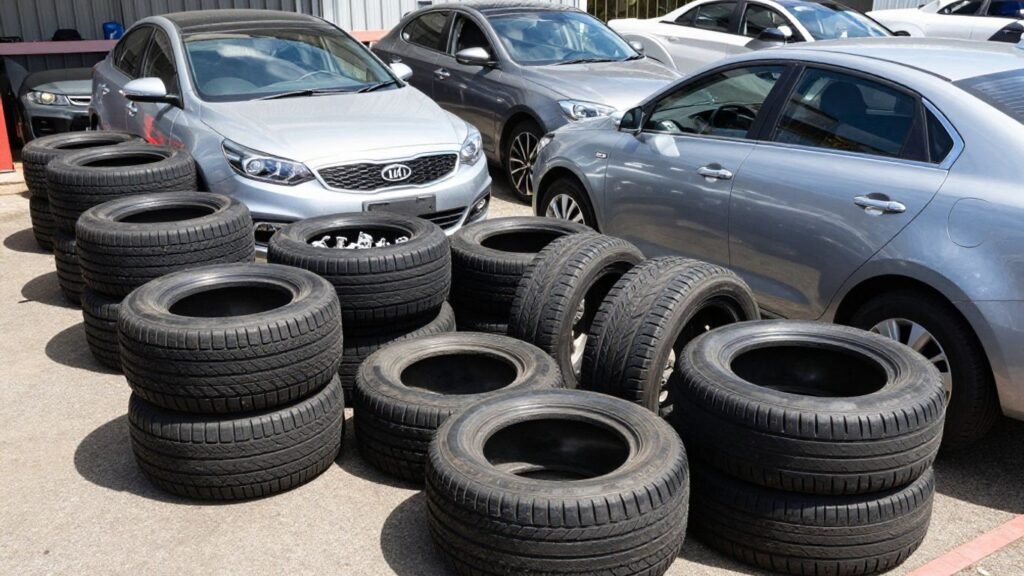
Find the Best Kia Parts Recyclers in Newcastle NSW for Quality Used Components
Looking for a good deal on parts for your Kia in Newcastle, NSW? It can be a bit of a headache trying to find reliable used components. You want something that works without costing an arm and a leg, right? Well, lucky for you, there are some places around that specialise in giving old car parts a new life. This article points you towards a few of the best Kia parts recyclers in Newcastle NSW, so you can get your car back on the road without breaking the bank. Key Takeaways Fairfield Auto Parts offers tested used Kia parts with a 3-month warranty, making them a reliable choice for replacement components. They wreck Kia cars daily, ensuring a wide selection is available. National Car Parts buys and sells used auto parts across Australia, including Newcastle. They focus on fair pricing, inspected parts, and eco-friendly recycling, serving both buyers and sellers. All Tuggerah City Auto Dismantlers, established in 2008, provides quality used parts and mechanical services on the Central Coast, which is accessible from Newcastle. They handle various makes and models. When choosing a recycler, look for places that test their parts and offer some form of warranty for peace of mind. This helps ensure you’re getting functional components. Opting for used Kia parts from reputable recyclers is a cost-effective and environmentally sound way to repair your vehicle, reducing waste and saving money compared to buying new. 1. Fairfield Auto Parts If you’re looking for used Kia parts in the Newcastle area, Fairfield Auto Parts is a solid choice. They wreck Kia cars daily, which means they usually have a pretty good stock of components ready to go. Finding the exact part you need is usually straightforward; just give them a call with your car’s make, model, and year, and they’ll help you track it down. They even help source parts if they don’t have them on hand. Every part they sell is checked out and comes with a three-month warranty. That gives you a bit of peace of mind, knowing you’re not just getting a random bit of metal. It’s a more budget-friendly and greener way to get your Kia back on the road compared to buying brand new. They focus on repurposing and recycling car components, which is a smart way to handle old vehicles. It means you can get reliable parts at a lower cost, and it’s better for the environment too. They stock a variety of parts for many Kia models, including the Sportage, Sorento, Stinger, and Rio, among others. If you’re not in Newcastle, they can also ship parts across Australia. You can reach them at 02 8111 7878. 2. National Car Parts National Car Parts is a solid choice if you’re looking for used Kia components in the Newcastle area, or really, anywhere in Australia for that matter. They’ve been in the game for over 15 years, so they know their stuff when it comes to buying and selling car parts. They handle everything from individual parts to entire vehicles for dismantling. If you’re looking to sell, they promise a straightforward process: get a quote, they assess the part, offer a fair price based on market demand, and then arrange pickup. Payment is usually instant once they’ve got the part. It sounds pretty hassle-free, which is always a plus when you’re dealing with car bits. They also mention that if you’re looking to buy, their parts are inspected and tested before being sold. This gives you a bit more confidence that you’re not just getting a random old part, but something that’s been checked out. They operate all over Australia, including Newcastle, so location shouldn’t be a major barrier. It’s worth giving them a call to see if they have the specific Kia part you need or if they can help you offload some old components. 3. All Tuggerah City Auto Dismantlers All Tuggerah City Auto Dismantlers has been around since 2008, so they’ve got a good chunk of experience under their belt. They’re not just about wrecking cars, though. They also do mechanical work, which is pretty handy if you need a part fitted or a bit of a repair done at the same time. It seems like they handle a lot of different types of vehicles, including European models, which can be a lifesaver if you’re driving something a bit less common. Their yard is described as a place with lots of salvaged parts from cars that have reached the end of their road. They focus on taking these old vehicles and turning them into usable components for others. It’s a way to keep parts in circulation and, you know, better for the environment than just crushing everything. They seem to pride themselves on being honest and having a team that knows their stuff, especially when it comes to diagnosing problems and getting cars back on the road. If you’re looking for something specific or just need a reliable used part, they’re worth checking out. They also mention fitting engines and gearboxes, which means if you buy a major component from them, you might be able to get it installed right there. This could save you the hassle of finding a separate mechanic. They cover a range of services from basic repairs to more involved mechanical jobs. Wrapping It Up So, if you’re looking to get your Kia back in shape without emptying your wallet, hitting up a local parts recycler in Newcastle is definitely the way to go. You can find all sorts of bits and pieces, from engines to door handles, and it’s way better for the planet too. Just remember to give them a call first to see what they’ve got. It’s a smart move that saves you cash and helps out the environment. Happy fixing!