
Finding Quality Used Kia Parts in Australia: A Comprehensive Guide
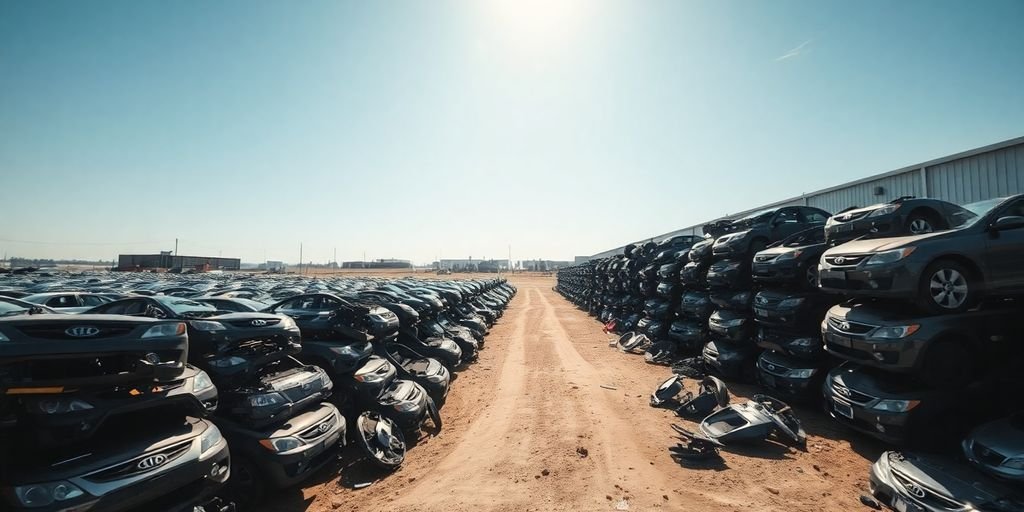
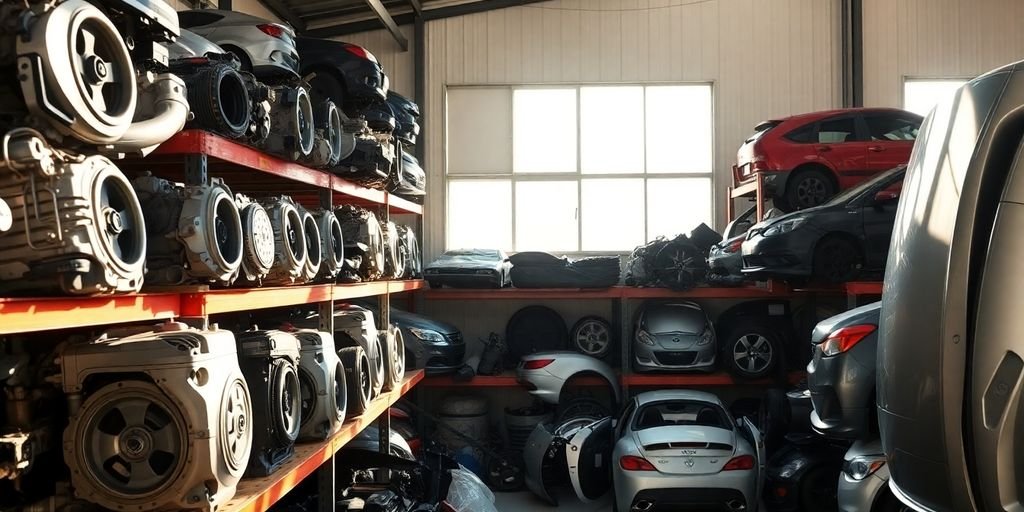
Looking for used Kia parts Australia? It can feel like a treasure hunt sometimes, right? Finding good quality parts for your Kia, especially if you’re trying to save a bit of cash, is totally doable. This guide will walk you through everything, from understanding what Kia wreckers do to finding those specific parts you need, no matter where you are in Australia. We’ll even cover how to make sure you’re getting the right fit and why going with recycled parts is a smart move. Key Takeaways Kia wreckers are a good source for used parts, especially in places like Western Australia. Choosing recycled Kia parts can save you money and is good for the environment. It’s important to check part compatibility, especially for newer Kia models. Avoid common mistakes when buying used parts to make sure you get what you need. You can find used Kia parts in major cities like Melbourne, Adelaide, Brisbane, and Sydney, often with delivery options. Understanding Kia Wreckers and Dismantlers The Role of Kia Wreckers in Australia Kia wreckers play a big part in the Australian automotive recycling scene. They’re basically the go-to places when your Kia is past its prime, or maybe just not worth fixing anymore. These wreckers don’t just crush cars; they carefully take them apart to salvage any usable parts. This process helps keep costs down for Kia owners needing replacement parts and reduces waste. Think of it like this: instead of buying a brand-new part, which can be super expensive, you can get a used one that’s still in good shape from a wrecked Kia. It’s a win-win for your wallet and the environment. Locating Kia Wrecking Yards in Western Australia Finding Kia wreckers in Western Australia isn’t too hard. A lot of them are located in and around Perth, but you can also find them in regional areas. The easiest way to find them is usually through a quick online search. Just type in "Kia wreckers Perth" or "Kia dismantlers WA," and you’ll get a bunch of results. You can also try looking in local directories or asking your mechanic for recommendations. They usually know the best places to go. Benefits of Sourcing from Kia Dismantlers There are several good reasons to get your used Kia parts from dismantlers. First off, it’s way cheaper than buying new. You can often save a ton of money, especially on bigger parts like engines or transmissions. Plus, you’re helping the environment by reusing parts instead of buying new ones. And, a lot of dismantlers offer warranties on their parts, so you’re not totally taking a gamble. It’s a pretty smart way to keep your Kia running without breaking the bank. Advantages of Choosing Recycled Kia Parts Cost-Effectiveness of Used Kia Parts Let’s be real, car repairs can be expensive. Used Kia parts offer a way to save some serious cash. New parts, especially from the dealer, can really hit your wallet hard. Recycled parts, on the other hand, are way more budget-friendly. It’s like getting the same thing for less, which is always a win. Quality Assurance for Recycled Components Okay, so you might be thinking, "Used parts? Are they even any good?" Well, a lot of reputable wreckers actually put these parts through testing. They check to make sure they’re still working properly before selling them. Plus, many offer some kind of warranty, which gives you a little extra peace of mind. It’s not like you’re just grabbing something from a junkyard and hoping for the best. Environmental Benefits of Recycling Auto Parts Think about all the energy and resources it takes to make new car parts. Mining, manufacturing, shipping… it all adds up. When you buy recycled, you’re helping to reduce that impact. It’s a small thing, but if more people did it, it could make a real difference. Plus, it keeps those old parts out of landfills, which is always a good thing. Choosing recycled parts is a practical way to reduce your environmental footprint. It’s about making smart choices that benefit both your wallet and the planet. By opting for used components, you’re contributing to a more sustainable approach to car maintenance and repair. Sourcing High-Quality Used Kia Parts Australia Finding Parts for Newer Kia Models It can be tricky finding used parts for newer Kia models, but it’s definitely doable. The key is to focus on wreckers who specialize in late-model vehicles or have strong relationships with insurance companies. These guys often get their hands on cars that are only a few years old but have been written off due to accidents. Don’t be afraid to call around and ask specifically about the year and model you need. You might be surprised at what you find. Ensuring Compatibility with Your Kia Vehicle Before you buy anything, double-check that the part is actually going to fit your car. I mean, it sounds obvious, but it’s easy to make a mistake. Get the part number from your old part or your owner’s manual and compare it to the part you’re looking at. Also, pay attention to the specific model year and any trim level differences. A part that fits a 2015 Kia Optima might not fit a 2016 model, even though they look pretty similar. It’s always a good idea to ask the wrecker about their return policy before you buy anything. That way, if you get the part home and it doesn’t fit, you’re not stuck with it. Availability of Parts Across Kia Models Some Kia models are just more common than others, which means their parts are easier to find. For example, parts for the Kia Cerato or Sportage are usually pretty easy to come by. Rarer models, or those with fewer sales, might be a bit more challenging. Don’t give up, though! Even if your local wreckers don’t have what you need, they might be able to source it from somewhere else. Online marketplaces and national wrecking networks can be a lifesaver in these situations.