

Identify your vehicle and the part you need
Buying car parts online Australia-wide is easier when you begin with the vehicle, not a guess at the part name. A listing may look right but still differ by engine, trim, or production year. Gather a few details before you shop, and you can narrow the options and ask more useful questions if something remains unclear.
Find your vehicle identification number (VIN)
Your VIN is a unique identifier that can help a parts seller check which components suit your vehicle. You can usually find it on the vehicle’s registration documents and on a plate or label on the car; check your owner’s manual if you are unsure where to look. A correct VIN can be especially useful when a model has several versions within the same year.
Before sharing it, make sure you are using a seller’s legitimate contact or enquiry channel. Alongside the VIN, have these details ready when you ask for fitment help:
- The registration number, if the seller can use it to identify the vehicle.
- The part name or the problem you are trying to solve.
- A clear description of any labels or numbers on the old part.
- Photos of the part and its location, if available.
These details give the seller a stronger starting point than a broad request for “a part for my car.” If you prefer to speak with someone, provide the information before ordering so the conversation can focus on fitment rather than guesswork.
Record the make, model, year, and engine details
Write down the make, model, model year, engine size or code, and trim if you know it. A vehicle’s registration year may not be the same as its build year, and some models change specification during a production run. The extra detail can help distinguish parts that appear similar but are not interchangeable.
For a Kia, Just Kias focuses on Kia parts across models and generations, so you can use its team for model-specific parts questions. Even with a specialist, share the details you have rather than relying on the model name alone; it reduces the chance of an avoidable mismatch.
Check the part number and compare it with the old part
If the existing component has a part number, record it exactly, including letters, dashes, and any suffix. A matching number is a useful clue, but it is still sensible to confirm that the replacement suits your vehicle and the intended side or position. A part that looks identical in a product photo may have a different connector, mounting point, or specification.
You can use a vehicle-matched parts catalog as a starting point for narrowing the choices, then compare the listing with your original component and vehicle details. Treat catalog results as a prompt to verify, not a substitute for checking the precise application.
Use photos and measurements when fitment details are unclear
When a part number is missing or unreadable, a few clear photographs can help explain what you need. Take one image of the whole component and closer images of its connections, mounts, markings, and any visible damage. If dimensions matter, measure the relevant points and note the units rather than estimating from a photo.
Keep the photos well lit and include a ruler or tape measure where useful. A seller can then ask targeted follow-up questions, and you can compare the replacement with the old part before it is installed.
Choose between genuine, aftermarket, and used parts
The right choice depends on the component, your budget, and the repair’s importance. Genuine, aftermarket, and used parts can differ in source, condition, warranty, and price, so compare the details instead of assuming one category is always best. Ask what the listing means by each term and what protection applies if the part is faulty or does not fit.
Understand the differences in quality and warranty
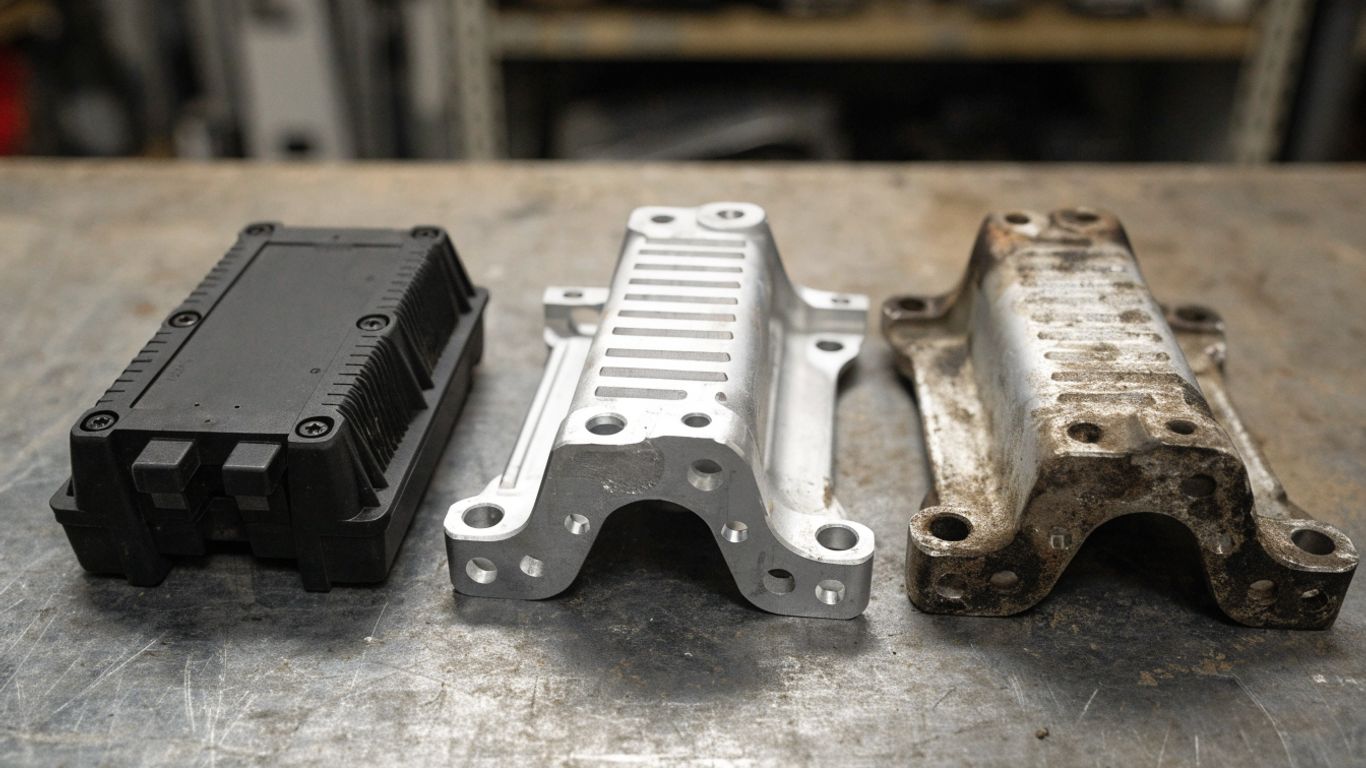
“Genuine” generally refers to a part supplied as an original manufacturer part, while aftermarket parts are made by a third party. A used part has been previously fitted or owned, and a reconditioned part has undergone some form of repair or refurbishment. The exact condition and warranty can vary between sellers, so read the description closely.
This comparison can help you frame the questions to ask, but it cannot establish the quality of a particular item without its listing and warranty terms.
| Part type | What to check | Useful question |
|---|---|---|
| Genuine | Part number, application, and warranty | Is this the correct original part for my vehicle? |
| Aftermarket | Manufacturer, compatibility, and coverage | Which vehicle details confirm this fit? |
| Used | Condition, testing, and return terms | What has been inspected, and what is covered? |
| Reconditioned | Work completed and remaining warranty | What was repaired or replaced? |
A clear answer should describe the item being sold, not simply label it “quality.” Compare like with like, especially when prices differ substantially. For a Kia repair, Just Kias offers genuine, used, and aftermarket Kia parts, giving you options to discuss against your repair needs and budget.
Decide when a genuine part is worth the extra cost
A genuine part may be worth considering when you need a specific original component, want to match the existing part closely, or have a repair where exact specification matters. Check the part number and warranty rather than relying on the word “genuine” alone. The price difference may also be easier to judge when you compare the replacement cost with the labor involved in fitting it.
For a routine repair, a suitable alternative may meet your needs; for a safety-related or hard-to-access component, you may prefer to spend more for confidence in the match. If you are uncertain, ask a mechanic or parts adviser before deciding.
Check compatibility for aftermarket alternatives
Aftermarket does not automatically mean unsuitable, but compatibility needs to be specific. Confirm the make, model, year, engine, and any relevant trim or production details against the listing. Also check whether the part is intended for the front or rear, left or right side, or a particular system variant.
Ask whether the seller can confirm fitment using your VIN or part number. If a listing covers a wide range of vehicles, verify that your exact version is included and get the answer in writing where possible.
Consider the risks of buying used or reconditioned parts
Used parts can reduce the purchase cost, but their age, wear, and previous use matter. Ask what condition the part is in, whether it has been tested, and whether the seller can describe any known damage. For a reconditioned item, ask what work was completed and which components were replaced.
Check the return and warranty terms before paying, particularly for electrical parts or components that are difficult to inspect once fitted. If the seller cannot explain the condition or the protection offered, weigh that uncertainty against the lower price.
Assess the seller before you buy
A good listing is only part of a sound purchase. You also need to know who is selling the part, how to reach them, and what happens if the item is delayed or arrives incorrectly. A little checking up front can make it easier to resolve questions later.
Look for clear contact details and business information
Look for a working phone number or email address, a business name, and clear information about ordering and delivery. If a seller has staff who can answer fitment questions, use that access before checkout rather than relying on an assumption about the listing. Notice whether the response addresses your vehicle details and the exact part you need.
For Kia engines, transmissions, gearboxes, and body parts, Just Kias supplies parts Australia-wide, with sales and service across the country. Check that the seller’s contact and freight information suits your location, especially if you are outside a major city.
Read recent reviews for patterns in service and product quality
Recent reviews can reveal recurring issues that a single rating will not. Look for patterns in communication, delivery updates, packaging, and how the seller responds when a part is incorrect or damaged. A few mixed reviews are less informative than a repeated problem described by different customers.
Treat reviews as one part of your decision, not a guarantee that your order will go smoothly. Check the date and context of a review, then confirm important details such as fitment and returns directly with the seller.
Check warranty terms and return conditions
Before you pay, read the warranty and returns information for the particular part. Check how long the warranty lasts, what it covers, and whether installation or use affects eligibility. Return rules may also differ for electrical items, special orders, or parts that have been opened or fitted.
If any wording is unclear, ask for an explanation before ordering and keep a copy of the response. That gives you a more useful record than trying to reconstruct the terms after a problem arises.
Confirm whether the part is in stock or supplied on backorder
A product page can remain visible even when a part is not immediately available. Ask whether the item is physically in stock, needs to be sourced, or is on backorder, and request an estimated dispatch timeframe. If the repair is urgent, be clear about your deadline before committing.
A realistic estimate is more useful than a vague promise of fast delivery. Confirm whether the seller will contact you if availability changes, so you can decide whether to wait or consider another suitable option.
Compare the total cost, not just the listed price
The price shown on a product page may not be the final amount you pay. Shipping, handling, taxes, and special freight requirements can change the total, especially for large or heavy components. Compare the full delivered cost before deciding that one listing is cheaper.
Add shipping, handling, and any applicable taxes
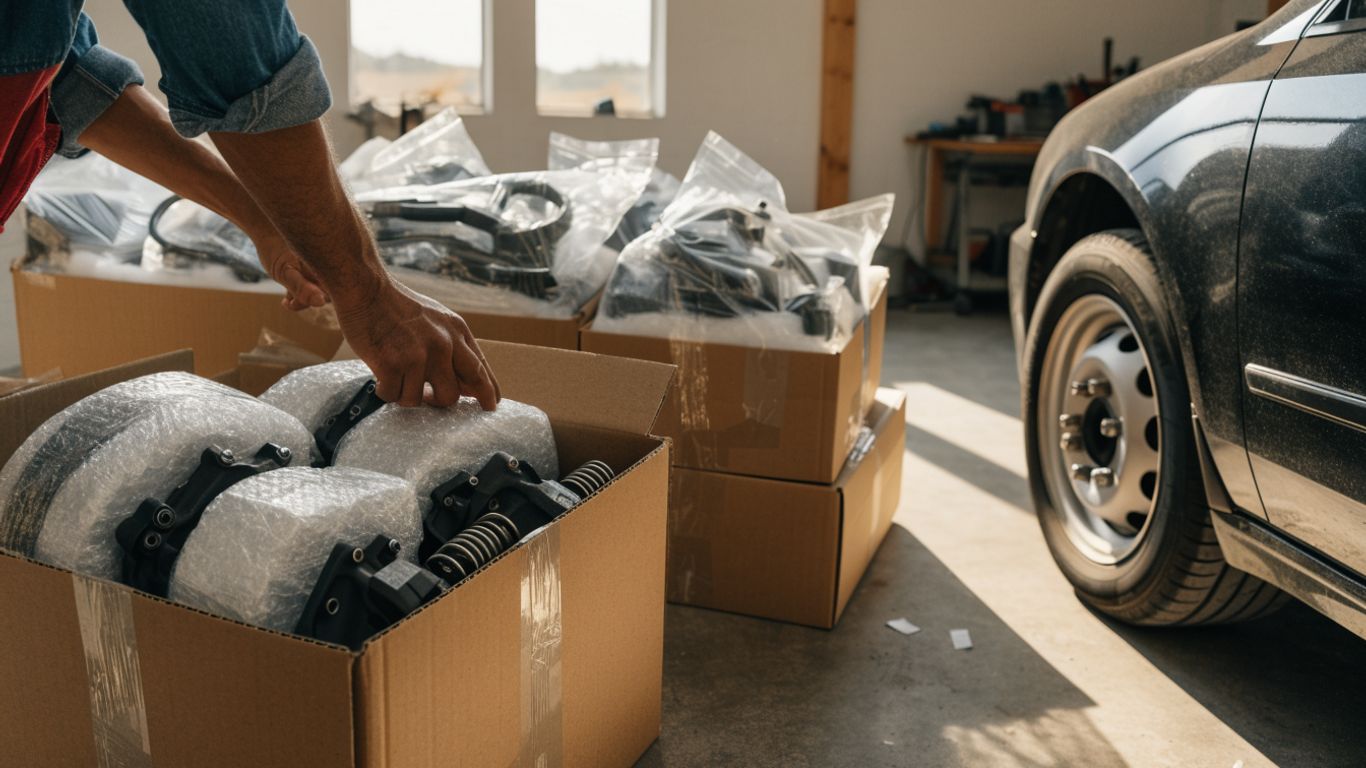
At checkout, review the item price alongside delivery and any applicable taxes or handling charges. Check whether the quoted freight covers delivery to your street address or only to a depot. For a large component, ask whether packaging or handling adds to the cost.
A simple comparison can keep the decision grounded in the amount you will actually pay. Use the same destination and a similar delivery speed for each quote, or the figures may not be comparable.
| Cost to compare | What to verify | Why it matters |
|---|---|---|
| Part price | Exact part and stated condition | Avoid comparing different specifications |
| Shipping | Address, service, and delivery point | Freight can vary by destination |
| Taxes | Whether they are included in the displayed total | The checkout total may differ from the listing |
| Handling or special freight | Oversize, heavy, or restricted items | Some parts need different transport arrangements |
Once you have the full figures, compare them with the same assumptions. A slightly higher listing may cost less overall if delivery is included or faster for your address.
Check delivery estimates for your location
Delivery time can depend on where the part is stored, the carrier, and the destination. Ask for an estimate to your suburb or postcode rather than relying on a general statement about Australia-wide delivery. If the part is needed for a scheduled repair, allow time for dispatch as well as transit.
For regional or interstate deliveries, clarify whether tracking will be provided and whether the carrier delivers to your address. If the estimate is uncertain, consider whether the repair can wait before placing the order.
Compare express and standard shipping options
Express shipping may be useful when a vehicle is off the road, but check what the service actually promises. A faster transit option does not necessarily mean the item will be dispatched sooner if it is not in stock. Standard freight may be more practical if the repair date is flexible.
Compare the price difference with the value of receiving the part earlier. Confirm the dispatch timeframe and delivery estimate separately so you know what the faster option changes.
Look for extra charges on bulky or hazardous parts
Large items such as body panels or engines can require special freight, and some products may have transport restrictions. Ask whether the quote includes delivery to your address, unloading, or a depot collection. Do not assume that the shipping price for a small parcel applies to a bulky component.
Get any additional charges confirmed before checkout. A written freight quote makes it easier to compare offers and avoid surprises once the part is ready to ship.
Check fitment, delivery, and returns before checkout
A final review can catch the small details that are easy to miss while browsing. Confirm that the chosen part matches your vehicle, understand how it will be delivered, and know what options you have if it is not right. Keep the product information and seller’s terms together with your order record.
Confirm the seller’s fitment guarantee and exclusions
If the seller offers a fitment guarantee, read what it covers and what it excludes. Confirm that the guarantee applies to the exact vehicle details you supplied and the specific part you are buying. Ask whether it covers a replacement, refund, or another remedy if the part does not fit.
Do not assume that a general promise covers incorrect vehicle information, a changed specification, or a part selected without confirmation. The terms should make clear what you need to do if there is a mismatch.
Check whether returns are accepted for opened or installed parts
Return policies often distinguish between unused items, opened packaging, and parts that have been installed. Check the rule for the product you are buying, including any limits on electrical components or special orders. If you may need to inspect the part before fitting it, confirm what kind of inspection is allowed.
Avoid installing a part until you have checked its condition and compared it with the original. Once fitted or altered, a return may be harder or may not be accepted under the seller’s terms.
Understand who pays return shipping
Find out whether you or the seller pays the return freight for a wrong, faulty, or unwanted item. The answer may depend on the reason for the return and the seller’s policy. For bulky parts, ask how the return will be arranged and whether you need to keep the original packaging.
Knowing the process beforehand helps you judge the real cost of a possible return. If the policy is unclear, ask for written guidance before placing the order.
Save your order confirmation and product details
Keep the confirmation email, invoice, product page details, and any fitment advice you received. Save screenshots if specifications or availability are likely to change after purchase. These records can help you identify exactly what was ordered if you need support.
It is also useful to keep a note of the date, part number, and seller’s stated delivery estimate. A tidy record makes follow-up simpler if the parcel is delayed or the wrong item arrives.
Plan for safe installation and after-sales support
Ordering the correct part is only one step in a repair. Some components are straightforward to replace, while others involve safety systems, specialist tools, or procedures that are best handled by a qualified mechanic. Think about installation before buying so you can plan the time, cost, and support you may need.
Decide whether the part requires a qualified mechanic
Consider the part’s role and your experience before deciding to install it yourself. Components involving brakes, steering, suspension, fuel, or electrical safety systems may require specialist knowledge and checks. If you are unsure, ask a qualified mechanic whether the job is suitable for your skills and tools.
The cost of professional installation is part of the repair budget, not an afterthought. Checking first can also help you choose a part that suits the planned repair and the mechanic’s requirements.
Check for installation instructions and required tools
Ask whether the part comes with installation instructions and what tools or additional components are needed. Some repairs require replacement fasteners, seals, or other items that are not included with the main part. Confirming this early can prevent a second order or a stalled repair.
Do not rely on a product photo to show everything in the box. Check the listing or ask the seller to confirm the supplied items, and follow the vehicle or component maker’s instructions where applicable.
Keep receipts and warranty documents
Store the receipt, warranty terms, fitment confirmation, and any installation paperwork together. If a mechanic installs the part, keep the invoice and note the installation date. These records may be needed if you ask the seller about a fault or warranty claim.
For direct parts advice and live call booking, Just Kias offers phone access at 1800 595 454. If you contact the team, have your vehicle details and order information ready so you can explain the question clearly.
Contact the seller promptly if the part arrives damaged or incorrect
Inspect the parcel as soon as you can after delivery. If it is damaged, incomplete, or appears to be the wrong part, take clear photos and contact the seller promptly using the method in your order information. Keep the packaging until you know whether it is needed for an assessment or return.
Describe the issue plainly and include your order number, part number, and vehicle details. A clear record of the problem and the seller’s response can help move the next steps along.
Conclusion
A careful online parts order starts with accurate vehicle details and ends with a plan for delivery, returns, and installation. Compare genuine, aftermarket, and used options on their fit, condition, warranty, and total cost—not price alone. When anything is uncertain, ask the seller to confirm the detail before you check out.
Frequently Asked Questions
What information do I need to buy car parts online?
Have the make, model, year, engine details, and VIN ready, along with the part number if you can find it. Photos of the existing component can help clarify details that a listing does not show.
Is a VIN enough to identify the correct part?
A VIN can help a seller identify your vehicle, but confirm the specific part and application as well. Share any part number, engine details, or information about the vehicle’s trim or production date that you have.
Are aftermarket parts as good as genuine parts?
Quality and fit vary by manufacturer and product, so the category alone cannot answer that. Check compatibility, warranty terms, and the specific part’s details before deciding.
Is it safe to buy used car parts online?
It can be reasonable when the seller clearly describes the condition, inspection or testing, and return terms. For safety-related components, ask a qualified mechanic whether a used part is suitable.
How can I avoid ordering the wrong part?
Verify the vehicle details, compare the part number, and ask the seller to confirm fitment before payment. Keep a written record of the confirmation and the product details.
How much does delivery of car parts cost in Australia?
The cost depends on the part’s size and weight, the delivery address, and the freight service. Check the full checkout total and ask about special charges for bulky or restricted items.
What should I do if the part arrives damaged or does not fit?
Take photos, keep the packaging, and contact the seller promptly with your order and part details. Follow the seller’s return process and avoid installing or altering the part until you receive guidance.


