
Key Takeaways
Transitioning to a replacement gearbox requires careful planning and research to ensure functionality and value for your vehicle. Here are the five most effective ways to source your hardware effectively.
- Identifying the exact failure symptoms helps narrow down if a full replacement is necessary.
- Standardizing your vehicle identification number ensures you secure the correct Kia transmission model.
- Local wreckers often hold hidden stock that can be inspected personally before commitment.
- Comparing regional quotes helps ensure you pay standard market rates for your component.
- Professional installation remains the most reliable path to achieving long-term performance from your part.
Understanding your Kia transmission replacement needs
Navigating the process of replacing a major drivetrain component requires patience and a clear understanding of the specific requirements of your vehicle’s engineering. Whether dealing with a sedan or an SUV, recognizing the symptoms of failure allows you to act before the damage becomes non-recoverable. Ensuring you source reliable transmission solutions starts with a systematic check of your current mechanical state.
Identifying signs of a failing transmission
Common indicators of trouble include delayed engagement, where the vehicle pauses after shifting into drive, or unexpected slipping during acceleration. Some drivers notice a noticeable whining sound emanating from the undercarriage, which often suggests worn bearings or internal hydraulic pressure issues. If you experience these symptoms, prompt assessment is vital to avoid damaging other drivetrain components in your Kia.
Matching part numbers to your specific Kia model
Finding the right hardware necessitates using your Vehicle Identification Number to match specific transmission serial numbers. Because manufacturers update designs mid-cycle, generic labels are rarely enough to guarantee a perfect fit. Always cross-reference your specific gearbox code against the manufacturer database to avoid compatibility errors during the swap.
Evaluating the benefits of a used versus refurbished unit
Used units offer a cost-effective path to returning to the road, provided the donor vehicle has a documented service history. Refurbished units, while more expensive, typically involve a teardown and replacement of internal seals and bushings. Choosing between these depends largely on the age of your vehicle and how long you intend to keep it in service.
Sourcing used Kia transmissions in the Mount Gambier region
Local procurement allows you to see the inventory firsthand, which often removes the uncertainty associated with buying through remote shipping. Finding the right specialist in the Limestone Coast area requires engaging with the network of mechanics and salvage professionals who operate locally.
Visiting local wreckers and salvage yards
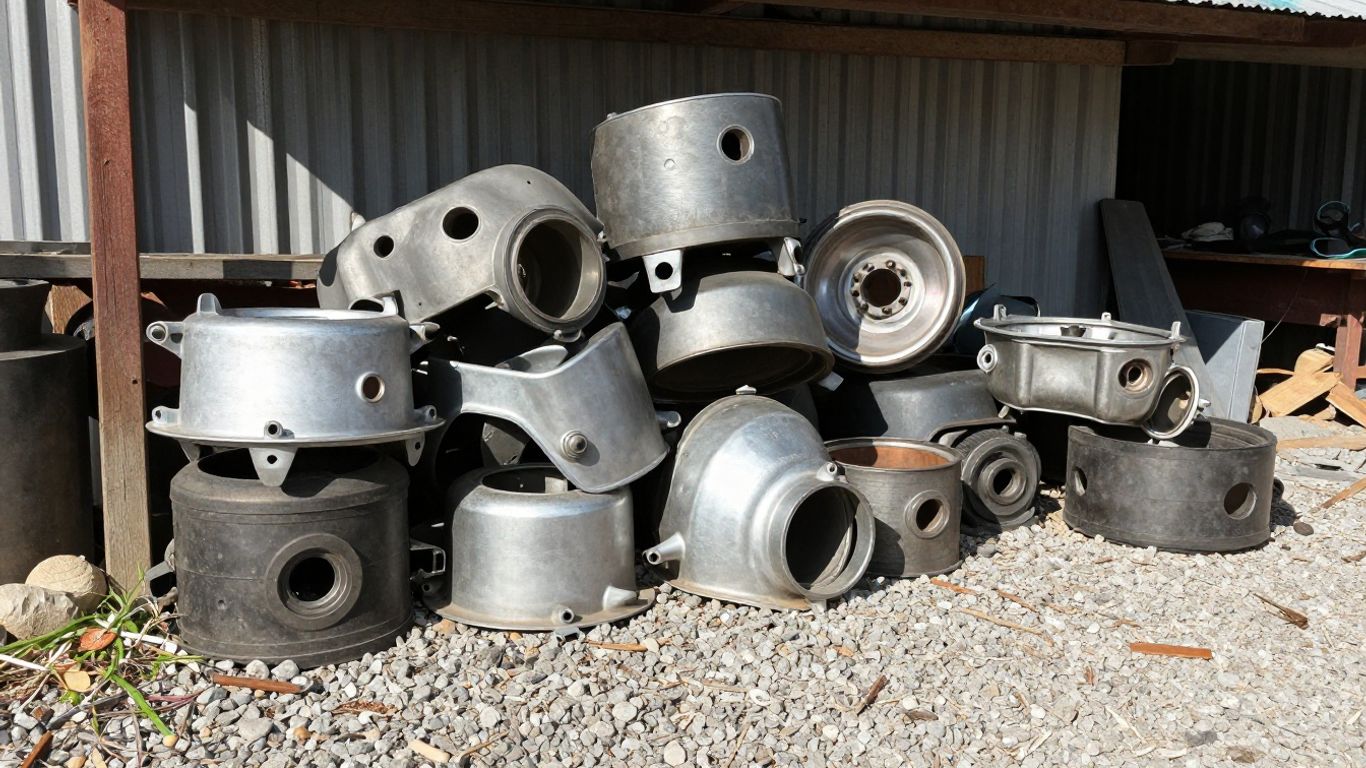
Physical inspection at local salvage yards enables you to check for visible damage, such as rusted housing or leak stains that might indicate a compromised unit. Many local operations maintain their own internal logs. Walking the rows allows you to spot recent arrivals that have not yet been listed on larger, more generic platforms.
Leveraging automotive parts networks in South Australia
Regional salvage groups often share inventory data across broader networks to assist customers in locating hard-to-find components. If a specific unit is not available at a local Mount Gambier location, staff can frequently query partner yards in neighboring towns. This collaborative approach expands your options without requiring you to venture far from home.
Searching online marketplaces versus local stockists
Online platforms provide a wide reach, but local stockists offer the distinct advantage of face-to-face service and easier returns if a part is found defective. While national apps might show better pricing, shipping a heavy gearbox can easily negate those savings. Balancing the breadth of online search with the convenience of a local provider is essential for a smooth experience.
Assessing the condition of used transmission parts
Physical status should remain your primary focus regardless of the quoted price, as a cheap part that fails early ends up costing double. A thorough evaluation should ideally take place before any cash or credit is exchanged.
Inspecting for external damage and fluid condition
Look closely at the bell housing for stress cracks and investigate the transmission fluid for a burnt odor or a metallic shimmer. Fresh, clean fluid on the dipstick is a positive indicator that the previous owner maintained the unit diligently. A clean exterior often reflects a vehicle that was treated with care.
Checking mileage and maintenance history logs
Requesting documentation of the donor vehicle’s odometer reading provides a baseline for evaluating the expected remaining lifespan of the unit. While mileage isn’t the only metric for health, it helps categorize the item against other options. Service logs indicating regular fluid changes are typically more important than the raw mileage count.
Requesting performance guarantees or warranties
Performance guarantees are a fundamental aspect of purchasing high-value vehicle components because they provide recourse should the hardware fail shortly after installation. Relying on written assurances rather than verbal promises ensures that you are protected throughout the crucial initial miles of operation.
Standardizing your agreement through a formal warranty minimizes the risk and builds long-term trust between the buyer and the supplier.
Utilizing professional diagnostic tools during inspection
Technicians often use specialized scanners to check if the transmission control module associated with the used unit shows any stored fault codes. This step can reveal underlying electrical issues that are invisible to the naked eye. Bringing a professional along for the inspection adds a layer of technical security to the process.
Strategies for securing competitive prices in Mount Gambier
Market pricing for major automotive components fluctuates based on availability and urgency. With a strategic approach, it is possible to find Used Kia transmissions Mount Gambier – competitive prices that favor your overall repair budget.
Negotiating with local salvage operations
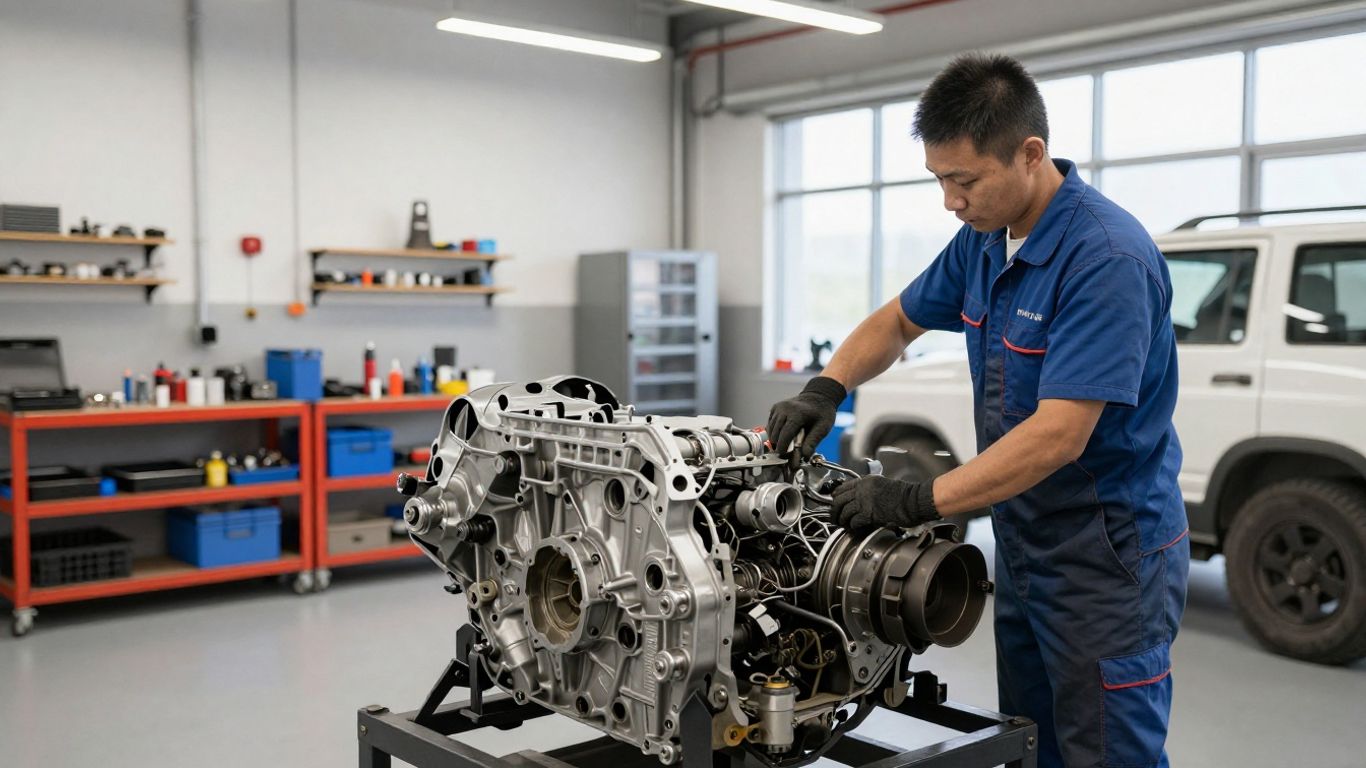
Building a rapport with salvage yard managers can often open doors to more flexible pricing, especially if you are a repeat customer or known in the community. Being prepared to remove the unit yourself or showing readiness to commit immediately can sometimes influence the final price. Professionalism during these negotiations yields the best results.
Comparing quotes from multiple regional suppliers
Contacting several providers within the Mount Gambier area allows you to establish the current market rate for your specific model. Keep a spreadsheet of the quotes to manage the details of what each price includes, such as warranty length or delivery options. Having this data allows for informed decision-making.
Timing your purchase for seasonal inventory clear-outs
Salvage operations often cycle through inventory based on seasonal demand or yard capacity. Checking in during shifts in the local agricultural or transport cycles might coincide with periods where wreckers are eager to clear space by moving parts quickly. Being ready to act during their slower operating periods can lead to surprising value.
Combining parts acquisition with local repair labor
Some local workshops maintain relationships with suppliers that allow you to package the cost of the part and the installation into one transaction. This strategy often results in a bundled price that is collectively lower than if you attempted to source, transport, and install the item separately.
| Service Step | Efficiency Gain | Financial Benefit |
|---|---|---|
| Source Part | High | Moderate |
| Labor Bundle | Very High | High |
| Ongoing Support | Moderate | Long-term |
This integrated model helps simplify logistics and places the responsibility for the total success of the repair on the workshop managing the job.
Logistics and installation considerations
Moving heavy vehicle components requires specialized equipment to ensure safety and prevent injury during the transit from the storage area to the rack. Planning for the physical movement of the unit is just as important as the purchase itself.
Coordinating delivery to your workshop in Mount Gambier
Arrange for a reliable transport service if your chosen supplier does not provide delivery to your repair center. Many mechanics prefer to receive parts directly at their shop to simplify the transition from the delivery truck to the lift. Verify the delivery window to ensure your technician is available to inspect the item upon arrival.
Selecting a qualified transmission specialist
Choose a technician who has documented experience with your specific Kia powertrain. Because transmission work requires high precision, a mechanic who understands the intricacies of the shifting logic and internal hydraulic circuits is essential. Check local community or business references to find a shop with a reputation for consistency.
Planning for vehicle downtime during the installation process
Be prepared for the vehicle to be off the road for a few expected days, as the installation often reveals peripheral needs such as mounts or cooling lines. Understanding that these additions might arise ensures you aren’t caught off guard by a slightly longer repair timeline. Planning your transport needs in advance alleviates the stress of being without your primary vehicle.
Verifying transmission compatibility post-installation
Once the unit is bolted into place, thorough testing is required to ensure the computer recognizes the new component and that all shift points align correctly with manufacturer parameters. A brief test drive allows the mechanic to confirm that the gear transitions are smooth and that no warning lights appear. This final verification is a vital step in concluding your repair.
Maintaining your used Kia transmission for longevity
Proper care following the installation determines how many years you get out of your investment. Adhering to manufacturer guidelines for maintenance and keeping an eye on how the vehicle behaves under local stress will keep the system running smoothly.
Adhering to the recommended fluid change schedule
Fresh transmission fluid ensures that the internal clutch packs remain lubricated and cool while you drive. Following the exact intervals suggested for your model helps prevent the buildup of contaminants that otherwise lead to premature wear. Consistent maintenance is the most effective way to extend the lifespan of your used component.
Managing heat stress in local driving conditions
Heavy traffic or frequent idling in the Mount Gambier area can lead to increased fluid temperatures over time. If your usage involves towing or driving over varied terrain, consider checking the integrated transmission cooler for signs of blockage. Keeping the fluid temperature within recommended limits is critical for internal longevity.
Monitoring for early warning signs of shifting issues
Keep an eye on how the vehicle warms up, noting if any slight hesitation occurs when the system is cold versus when it has reached operating temperature. Minor issues usually present as soft signs long before they result in a complete system failure. By staying attuned to these nuances, you give yourself the time to address minor adjustments before they escalate.
Conclusion
Finding a pre-owned replacement for your vehicle’s gearbox requires a balance of diligent research, local networking, and careful mechanical verification. By engaging with reputable local specialists and maintaining the unit through regular service interval adherence, you can restore your vehicle to its full operational capacity with confidence. Approaching the process with a focus on both compatibility and quality ensures that you achieve a sustainable result that serves you well on every road in South Australia.