

Key Takeaways
Choosing the right brake pads starts with confirming exact vehicle fitment, then weighing condition, service needs, and the source of the parts.
- Check the model, year, variant, and axle before ordering.
- Use the VIN or ask a Kia parts specialist to confirm fitment.
- Compare specifications and fit rather than relying on a product label alone.
- Have a mechanic inspect related braking components during replacement.
- Treat unusual noises, changed braking feel, and visible wear as reasons to arrange an inspection.
Why genuine brake pads matter
Brake pads are a wear item, but the right replacement still depends on the vehicle and braking system. A careful choice can make servicing more straightforward and help avoid ordering a part that does not fit. When considering genuine Kia brake pads, verify the part against your vehicle details rather than assuming one set suits every model.
Designed for specific Kia models and braking systems
Brake components vary between models, model years, variants, and axles. That means a pad that looks similar to the one removed may still differ in dimensions or fitment. Check the vehicle details and the part number before purchase, and ask for confirmation if any information is uncertain.
How pad materials affect noise, dust, and wear
Brake pad compounds can differ in how they behave, including the amount of noise or dust they produce and how they wear. Those qualities are not the only considerations: use the vehicle’s requirements and the intended driving conditions to guide a decision. A description such as “quiet” or “low dust” is not a substitute for checking that the pad is suitable for your car.
The role of brake pads in consistent stopping performance
Pads work with the other parts of the braking system, so their condition and correct fit matter to the overall result. Worn pads, unsuitable parts, or a problem elsewhere in the system can affect braking behavior. Correct fitment matters just as much as choosing a replacement at the right time.
How to check compatibility with your Kia
A little care before ordering can prevent delays and the inconvenience of an incorrect part. Gather the vehicle details and confirm whether the replacement is for the front or rear axle. If the catalog information is unclear, have a Kia parts specialist check the fitment before you buy.
Find your model, year, and variant details
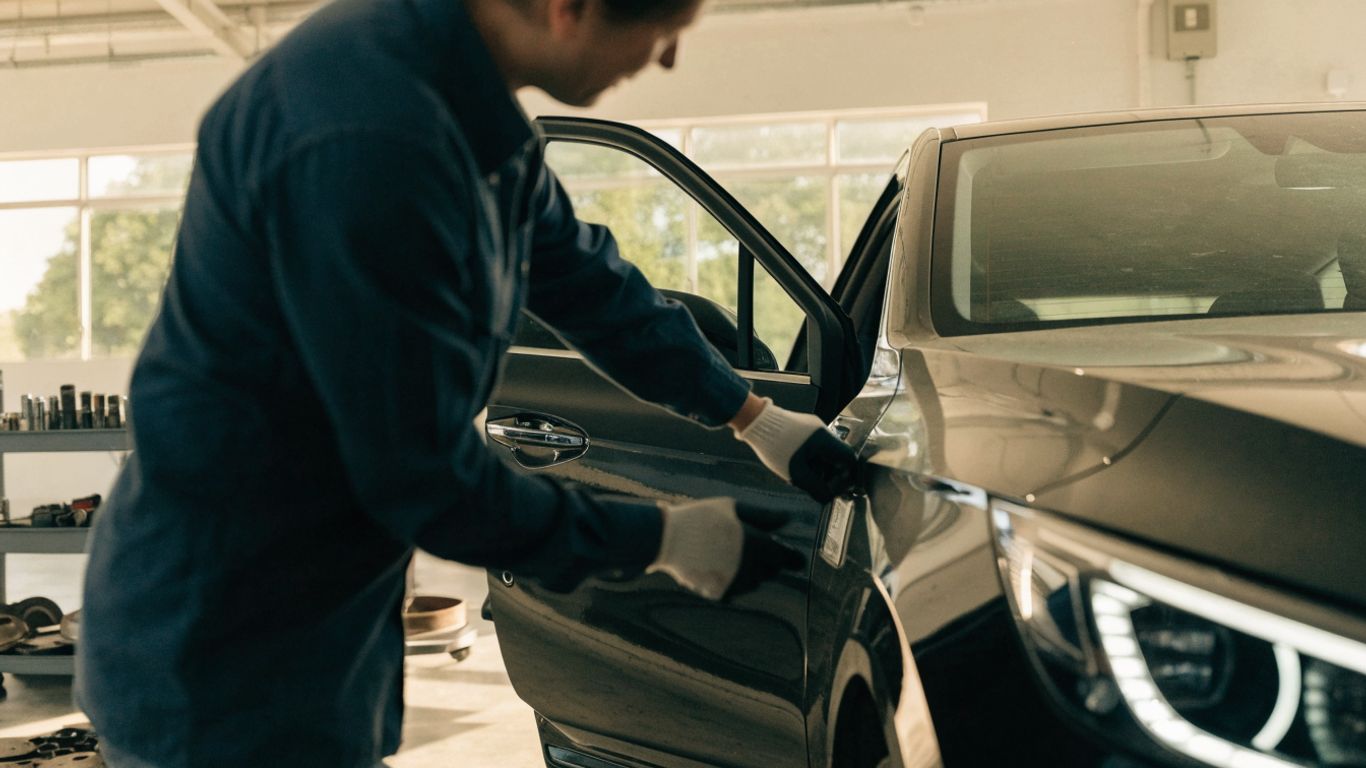
Start with the model and year, then check the exact variant shown in the vehicle documents or on the vehicle identification plate. Similar-looking versions of a model can use different components, so avoid relying on the model name alone. Keep these details together when searching or asking a parts seller for help.
Match pads to the front or rear axle
Brake pads are selected for a specific axle, and front and rear sets are not interchangeable by default. Before you order, make sure the listing clearly identifies the axle and that it matches the mechanic’s recommendation. These basic checks help narrow the search without assuming that every variant uses the same setup.
A simple record of the details can make a parts enquiry more precise:
| Detail to confirm | Why it helps |
|---|---|
| Model and year | Narrows the vehicle application |
| Variant | Helps distinguish similar versions |
| Front or rear axle | Identifies the location being serviced |
| Part number or VIN | Supports a fitment check |
Use the table as a starting point, not as a substitute for confirming the part against the vehicle. If the order is being placed before the car is inspected, ask the seller or mechanic to verify the application.
Confirm fitment using your VIN or a Kia parts specialist
A VIN can help a parts specialist identify the vehicle more precisely than a broad model description. Share it with an authorized parts department or a knowledgeable seller and ask them to confirm the part number and axle. This is especially useful when the vehicle has a less common variant or the catalog presents several close matches.
Genuine Kia pads versus aftermarket alternatives
The choice between genuine and aftermarket pads comes down to verified fit, specifications, availability, and personal priorities. Compare the information for the actual part rather than making assumptions based only on the category name. For Kia genuine brake pads in Australia, the same practical rule applies: confirm the application before weighing price or convenience.
Differences in specifications and fit
Replacement options can differ in material, dimensions, and stated vehicle applications. A listing should identify the cars and axle it is intended for, while the seller should be able to clarify any gaps. If details are missing or appear inconsistent, pause and confirm them rather than inferring compatibility from a photograph.
When an aftermarket option may suit your needs
An aftermarket option may suit a buyer who has confirmed the fit and is comfortable with the product’s stated specifications and warranty terms. Availability, price, and delivery time may also factor into the decision. The important point is to compare like with like and ensure the chosen part meets the vehicle’s requirements.
Questions to ask before choosing a replacement
Before committing, ask how the fitment was checked, whether the part is for the correct axle, and what the seller’s return conditions are if the part proves incorrect. It is also sensible to ask what warranty applies and whether installation conditions affect it. Clear answers make it easier to compare options on more than price alone.
Where to buy genuine Kia brake pads in Australia
Parts are available through different channels, but the quality of fitment information matters wherever you shop. Look for a seller that can explain how the application was confirmed and provide a clear part number. If anything does not match your vehicle details, get clarification before placing the order.
Kia dealerships and authorised parts departments
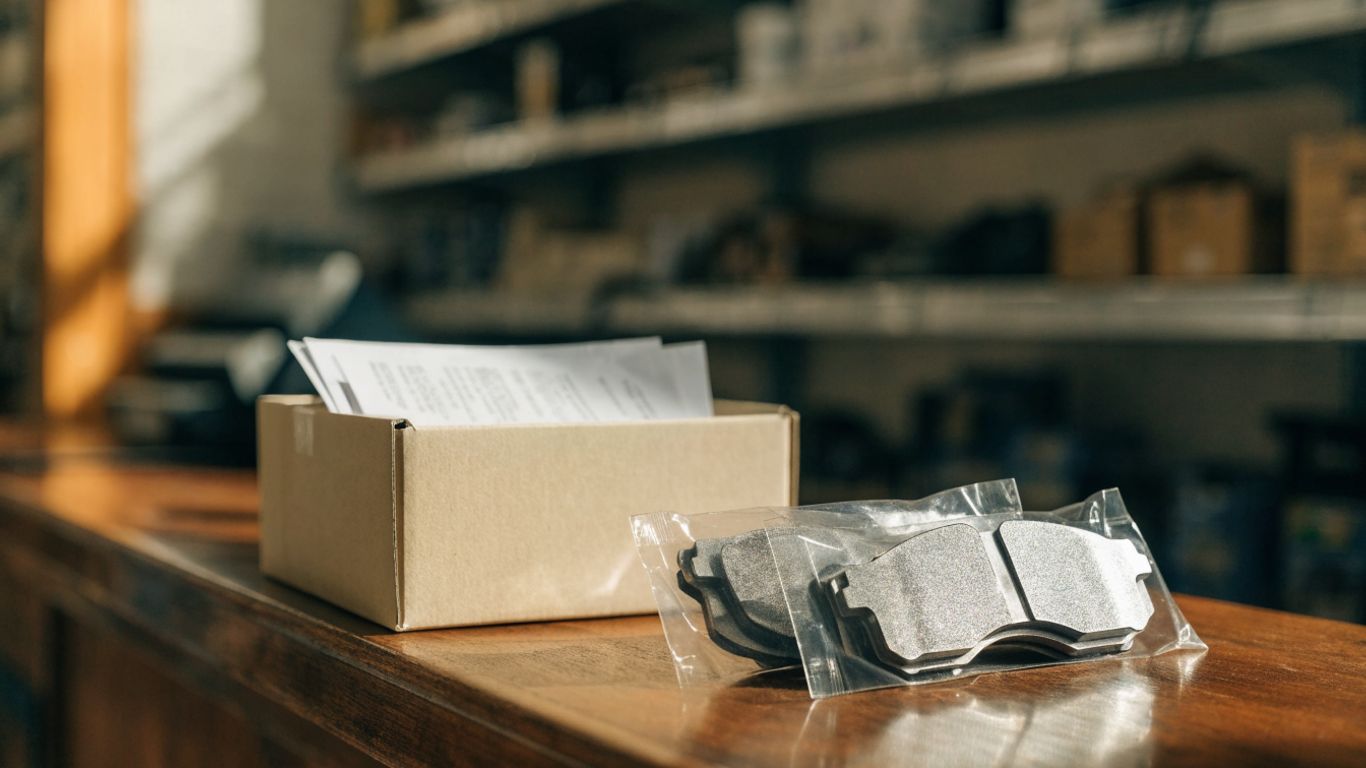
A dealership or authorised parts department can check vehicle details and advise on the corresponding part. Have the VIN, model, year, and variant ready so the enquiry can be specific. Ask for the part number and confirm that it is for the front or rear axle required.
Reputable online parts sellers
Online sellers can make it easier to compare availability and delivery options across Australia. Choose a seller that provides useful fitment information, accessible contact details, and clear terms for returns. If a listing does not explain how compatibility is determined, contact the seller before ordering.
How to check part numbers and seller credentials
Compare the listed part number with the one confirmed for your vehicle, and check that the seller identifies the product as genuine rather than leaving the description ambiguous. Look for business contact information, shipping details, and return conditions. A trustworthy parts enquiry should leave you with a clear answer about fitment, not just a product title.
Signs your brake pads may need replacing
Brake pads wear gradually, and the signs can vary from one vehicle to another. A change in how the brakes feel or sound is a reason to have the system checked rather than a diagnosis on its own. If you are unsure, arrange an inspection promptly and avoid continuing to drive a vehicle that feels unsafe.
Changes in braking feel or stopping distance
Pay attention if the brake pedal feels different or the vehicle seems to take longer to slow down. These changes can have several causes, so they do not prove that the pads alone are responsible. A mechanic can inspect the pads and the rest of the braking system to determine what needs attention.
Squealing, grinding, or other unusual noises
A new squeal or grinding sound during braking deserves attention, particularly if it keeps returning. Noise may come from different parts of the braking system, so guessing at the cause can delay the right repair. A prompt inspection can help identify whether the pads or another component needs service.
Unusual braking sounds are a reason to inspect the system, not a reliable diagnosis by themselves.
Note when the sound occurs and whether it changes with braking; that information may help the mechanic assess the issue. If the noise is accompanied by a change in braking performance, arrange an inspection without delay.
Visible wear and dashboard warnings
If the pads can be viewed safely during a service or inspection, visible thinning is a reason to ask a mechanic to assess them. Some vehicles may also provide a dashboard warning, but warning equipment and messages can vary. Do not wait for a warning if the brakes show other signs of a problem.
What to expect during replacement
Brake pad replacement should begin with checking the vehicle and confirming the correct parts. The work may also reveal wear or condition issues elsewhere in the braking system, so a mechanic should explain any additional recommendations. Ask for a written estimate before authorizing work if the scope or cost is unclear.
Checks a mechanic should perform alongside pad replacement
Along with assessing the pads, the mechanic should examine related braking components for condition and signs of uneven wear. The exact checks depend on the vehicle and what is found during inspection. Ask what was assessed and whether any additional work is recommended before the vehicle is returned.
Factors that affect replacement costs in Australia
The final price can depend on the selected parts, labor, vehicle application, and whether inspection identifies further work. Location and the seller’s or workshop’s charges can also affect a quote. Request an itemized estimate showing parts and labor, and ask whether the quoted parts are genuine or aftermarket.
Why correct installation and bedding-in matter
Correct installation helps ensure the replacement parts are fitted as intended, while the mechanic can advise on any bedding-in procedure for the specific pads. Follow the workshop’s instructions and pay attention to how the brakes feel after the service. If a warning, unusual sound, or concern persists, contact the mechanic for guidance.
Conclusion
Choosing brake pads is less about guessing from a product photo and more about confirming fitment, comparing clear specifications, and responding to signs of wear. Gather the vehicle and axle details, verify the part number with a reliable source, and have a mechanic inspect the wider braking system during replacement. That approach helps make the purchase and service decision more straightforward.


