Key Takeaways
Finding a suitable engine replacement requires precision, careful vetting, and clear logistics planning to ensure the vehicle remains reliable on the road.
- Match your engine code strictly to ensure mechanical and electronic compatibility.
- Utilize local salvage networks to reduce shipping costs and assess quality firsthand.
- Verify the service history and maintenance logs of any used unit before purchase.
- Arrange secure freight logistics if local pickup is not a viable option.
- Prioritize suppliers who offer transparent warranties and documented return policies.
Understanding your Kia engine requirements
Securing a replacement engine often feels like a daunting task, yet the success of this project hinges entirely on the preparation stage. You must approach the search with a clear understanding of the mechanical specifications that your vehicle demands to function correctly. This process prevents costly errors and ensures that the replacement unit integrates well with your existing drivetrain components.
Identifying your specific engine code
The most critical step in this process is locating your unique engine code, which is usually stamped directly on the block or visible on a manufacturer sticker. Using the wrong variant, even if it looks visually similar, can cause significant electronic communication issues between the engine and the car’s computer. Always refer to your original service manual or consult a mechanic if there is any ambiguity regarding the specific engine identifier.
Verifying vehicle identification number compatibility
Cross-referencing your engine search with your vehicle identification number (VIN) provides an extra layer of protection against purchasing incompatible hardware. Manufacturers often make small iterations to parts throughout a production year, and the VIN isolates these transitions perfectly. By sharing this number with sellers, you significantly increase the chances that the replacement will match your car’s wiring harness and mounting points.
Considering mileage and service history
Low mileage is often a primary indicator of engine longevity, but it is not the only metric that matters for a used unit. A high-mileage engine with a complete log of timely oil changes and documented scheduled maintenance can easily outperform one that has been neglected for fewer miles.
Regular adherence to manufacturer-recommended service intervals is often a more reliable indicator of long-term engine health than the total recorded mileage on the odometer alone.
By carefully reviewing these records, you gain insight into how the previous owner cared for the internal components, which helps you manage expectations regarding the engine’s remaining operational life.
Where to source used Kia engines in Mandurah
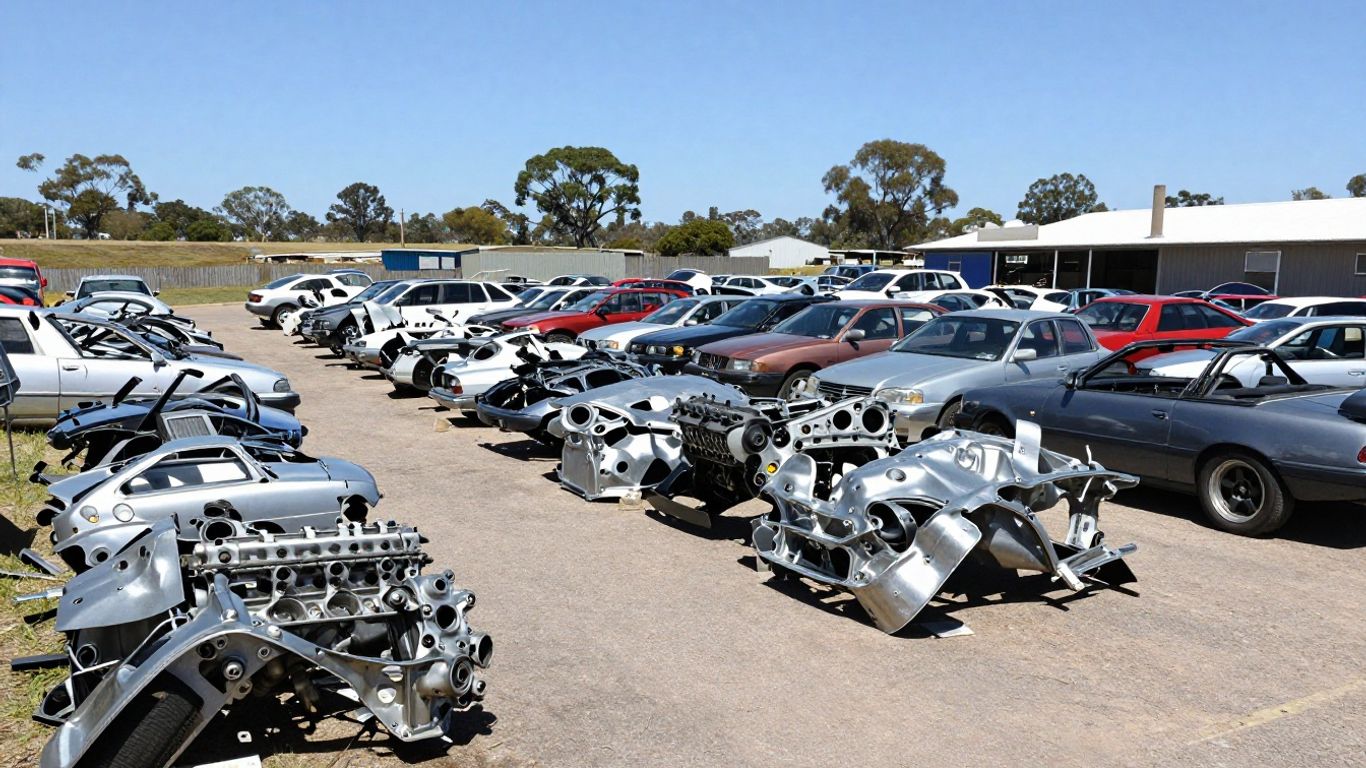
Finding Used Kia engines Mandurah – local pickup or delivery options requires knowing exactly where to look within Western Australia. Local automotive recyclers are often the most accessible starting point, offering the chance to inspect hardware in person. Expanding your search to certified regional recyclers allows you to find better stock levels while still keeping the procurement process manageable.
Navigating local wreckers and salvage yards
Local yards in the Mandurah area are excellent for finding parts that are already in the country, which saves you from excessive courier fees. When visiting these sites, focus on yards that specialize in Asian imports, as they are more likely to have a consistent supply of components. Building a rapport with the staff can also give you early access to new arrivals as vehicles reach the wrecking yard.
Researching certified auto recyclers in Western Australia
Certification from industry bodies serves as a mark of professionalism and reliability when you cannot visit a site physically. These organizations ensure that the business follows safe dismantling practices and provides truthful descriptions of their stock. By choosing a certified partner, you are essentially trusting their reputation to guide your engine purchase toward a reliable unit.
Evaluating inventory through online marketplace platforms
Digital marketplaces have become a primary tool for connecting buyers with distant engine stock, allowing for a broader comparison of available models. These platforms are particularly useful for gauging current market pricing across the state. However, clarify shipping estimates early, as transit costs for heavy machinery can fluctuate significantly depending on the seller’s location relative to Mandurah.
Evaluating the condition of a pre-owned engine
Evaluating the internal health of a used engine from the outside is an art that requires a keen eye for subtle warnings. Before committing to a purchase, you should apply a systematic approach to verifying that the unit is not suffering from latent mechanical failures. Even though the engine itself is a separate component, you should keep the design of a robust Kia ladder frame platform in mind to ensure the mounting points are undamaged.
Conducting a physical exterior inspection
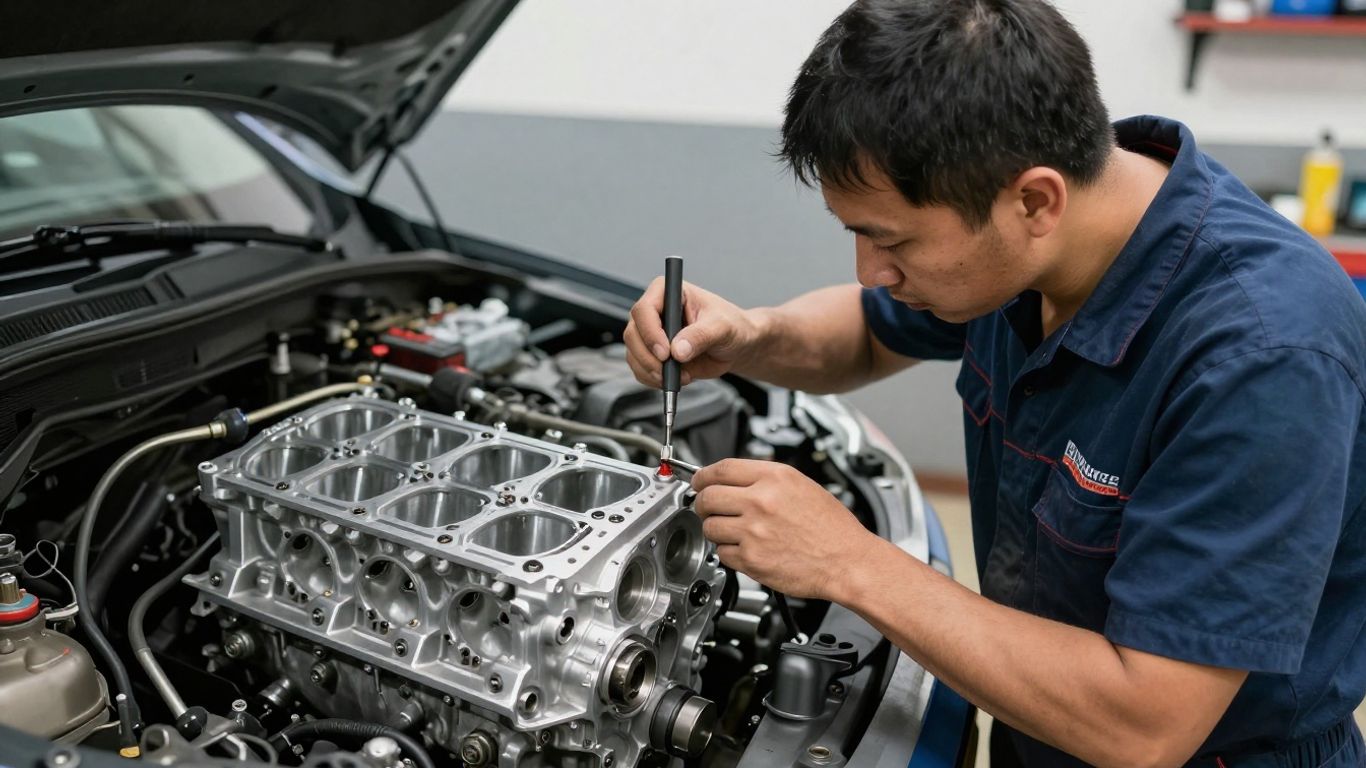
Begin your assessment by looking for obvious signs of neglect, such as oil leaks around the seals or heavy corrosion on the cooling ports. Check the pulleys for play and inspect the drive belts for excessive wear or stiffening. These small details provide a window into how harshly the engine was treated before the vehicle was taken off the road.
Reviewing maintenance logs and service receipts
Authentic maintenance records are your best defense against purchasing a high-risk unit, as they show exactly what has been addressed on the vehicle. Look for evidence of regular timing belt replacements, valve adjustments, and oil system cleanings. When a supplier can produce a clean history, it effectively creates a safer bridge of trust for your decision-making process.
Analyzing compression test results and fluid quality
Fluid quality often tells the story of how the engine has been managed, so ask for samples if possible or look inside the oil filler cap for signs of sludge. Requesting a recent compression test result is also a standard industry practice that provides a quantitative measurement of the engine’s internal health. If the numbers appear consistent across all cylinders, it indicates that the valves and rings are likely in good working order.
Logistics for local pickup or delivery
Moving an engine involves more than just a standard courier service, especially if you are managing the transport from a remote depot. Proper planning ensures that the heavy machinery arrives at your mechanic or home garage without sustaining structural damage. Ensure you have the necessary lifting equipment ready when the delivery arrives to avoid complications.
Coordinating safe collection from Mandurah depots
If you opt to collect the engine yourself, ensure you use a vehicle with an appropriate payload capacity, keeping in mind that an engine weighs significantly more than passenger cargo. Secure the unit on a flatbed or in a trailer to prevent shifting during transit. Using heavy-duty straps will help stabilize the unit, protecting sensitive peripherals from being crushed by the weight of the block.
Understanding freight requirements for palletized engines
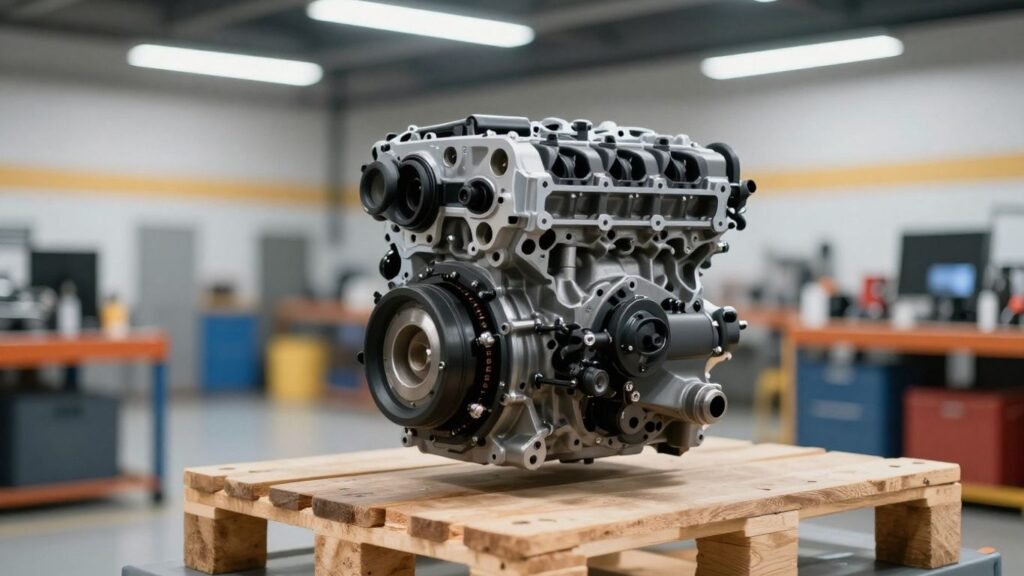
Freight companies usually require engines to be fully drained of all fluids before shipment to prevent leakage and environmental hazards during travel. The unit must also be bolted or strapped securely to a sturdy wooden pallet. Communicate with the carrier about the exact dimensions and weight, as an engine with a heavy Kia Tasman powertrain configuration might require specialized handling equipment during offloading.
Mitigating damage risks during transit
Damage often occurs when engines are poorly secured or left exposed to the elements without proper protective wrapping. Use heavy-duty plastic or industrial shrink wrap to protect the components from debris and moisture during the journey. If you are shipping via a third-party logistics provider, confirm their specific insurance policies for high-value mechanical parts to provide extra security for your investment.
Working with reputable Kia engine suppliers
Building a relationship with a high-quality supplier can save you substantial time and stress if issues arise post-purchase. Professional recyclers understand that a satisfied customer is more likely to return for future parts needs. This professional standard ensures that you aren’t left stranded if the engine does not meet the performance expectations established prior to the sale.
Assessing supplier warranties and return policies
Always ask for the warranty terms in writing before payment clears to define exactly what is covered in the event of a failure. A standard warranty might cover the block and internal components for a set period or limited mileage. Understanding the conditions for returning a part is just as vital as knowing your rights if the diagnostic work shows that the unit is faulty.
Checking industry certifications and peer reviews
Reviews from other mechanics or car owners in the Western Australia area can provide a reality check on a supplier’s reputation. Look for consistent feedback regarding how they handle returns or issues with shipped units. Independent certifications often require businesses to meet strict standards for part testing, which adds a safety net to your procurement process.
Comparing quotes for parts and delivery costs
When you are ready to finalize the purchase, use the table below to compare the total financial impact of different options across multiple suppliers.
| Supplier ID | Engine Cost | Shipping Est | Total Investment |
|---|---|---|---|
| Recycler A | $2,200 | $150 | $2,350 |
| Recycler B | $2,450 | $50 | $2,500 |
| Recycler C | $2,100 | $300 | $2,400 |
Comparing these figures helps you see the hidden costs of shipping, particularly if a cheaper engine requires expensive interstate freight. By keeping the total delivered cost in mind, you can make an informed choice that balances price with the protection offered by the supplier.
Conclusion
Selecting a reliable used Kia engine in the Mandurah area is perfectly achievable when you approach the process with a focus on provenance, physical verification, and clear logistical coordination. By identifying your exact model requirements early and choosing suppliers who prioritize transparency and warranties, you ensure your vehicle returns to the road with improved performance and long-term reliability.